Avionics customers are among the most research-heavy buyers in aviation. They compare systems, check compatibility, review approval paths, investigate installer capability, and often delay the buying decision until they trust both the equipment choice and the installation team.
That means avionics dealers are not just selling products. They are selling technical confidence. The businesses that generate the best enquiries are usually the ones that answer compatibility and installation questions early, rather than forcing the buyer into a sales conversation before they are ready.
The Avionics Buyer Journey Starts With Compatibility
A typical avionics buying journey begins long before a quote request. The owner or maintenance lead identifies a problem or upgrade goal, researches system options, checks whether the aircraft and existing panel can support the change, and then starts comparing authorised installers or dealers.
Price matters, but only after the buyer believes the system is appropriate and the installation can be done well. If your marketing skips straight to product promotion without resolving compatibility, STC, and installer-confidence questions, you lose buyers during the research phase.
This is why the strongest avionics sites use aircraft-type pages, system pages, and installation-content pages together. Product pages alone do not carry enough trust.

SEO Works Best Around Models, STCs, and Aircraft Fit
Avionics search intent is often tightly defined. Buyers search system model names, STC details, aircraft compatibility, installation questions, and before-and-after upgrade scenarios. A website that is organised around those questions will capture more serious traffic than one built around generic category labels.
Pages should therefore cover:
- the equipment or system family
- applicable aircraft or common compatibility questions
- installation considerations and likely downtime
- related approvals or STC context
- the next step to speak with an installer or request a configuration review
That structure also improves enquiry quality because buyers arrive with better expectations and fewer basic misunderstandings.
Installer Capability Is Often the Real Differentiator
Many avionics dealers focus on product brands in their marketing because the brands are well known. In practice, installer confidence is often the reason a buyer chooses a dealer. Aircraft owners want to know who will do the work, what experience they have with similar panels, how long the aircraft will be down, and what support exists after installation.
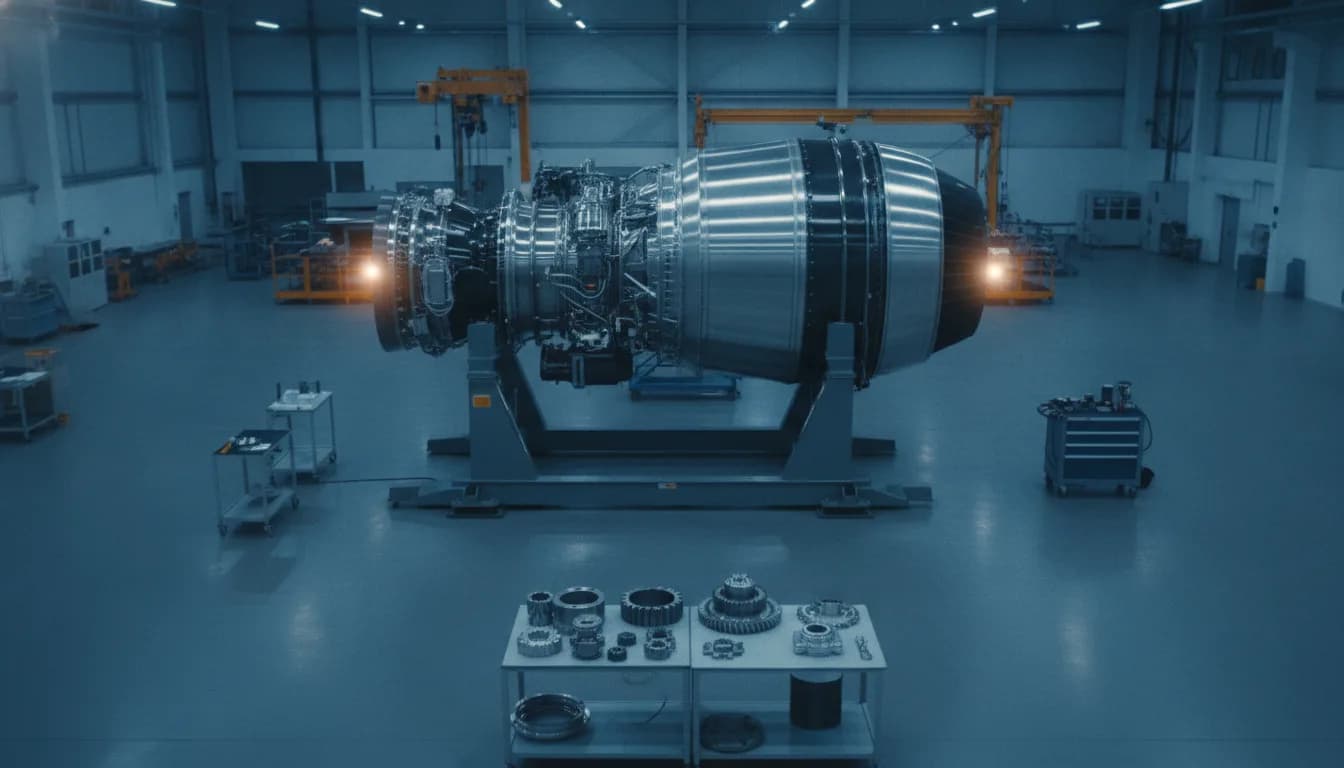
This is where operational proof matters. Publish workshop photos, installer credentials, relevant aircraft examples, common upgrade paths, and realistic timeframes. These are commercially useful trust signals, especially for higher-value glass-panel and IFR upgrades.
The same goes for video. Demonstrations, walkthroughs, and installation-result clips work well in this sector because they let buyers understand the product and the dealer's competence at the same time.
Build Product Pages for Search and Conversion
Start With the Aircraft and the System
The page should tell the buyer exactly which system is being discussed and which aircraft or use cases it fits. Ambiguity slows the decision immediately.
Add Installation and Downtime Context
Owners and maintenance teams need to know what the work will involve. Even indicative timing helps reduce friction.
Link to Approval and Compatibility References
Do not force the buyer to search elsewhere for STC or fitment context. Keep that information close to the product decision.
Use a Technical CTA
An avionics buyer responds better to "Request a panel review" or "Discuss compatibility" than to a generic contact prompt.
Product Knowledge Alone Is Not Enough
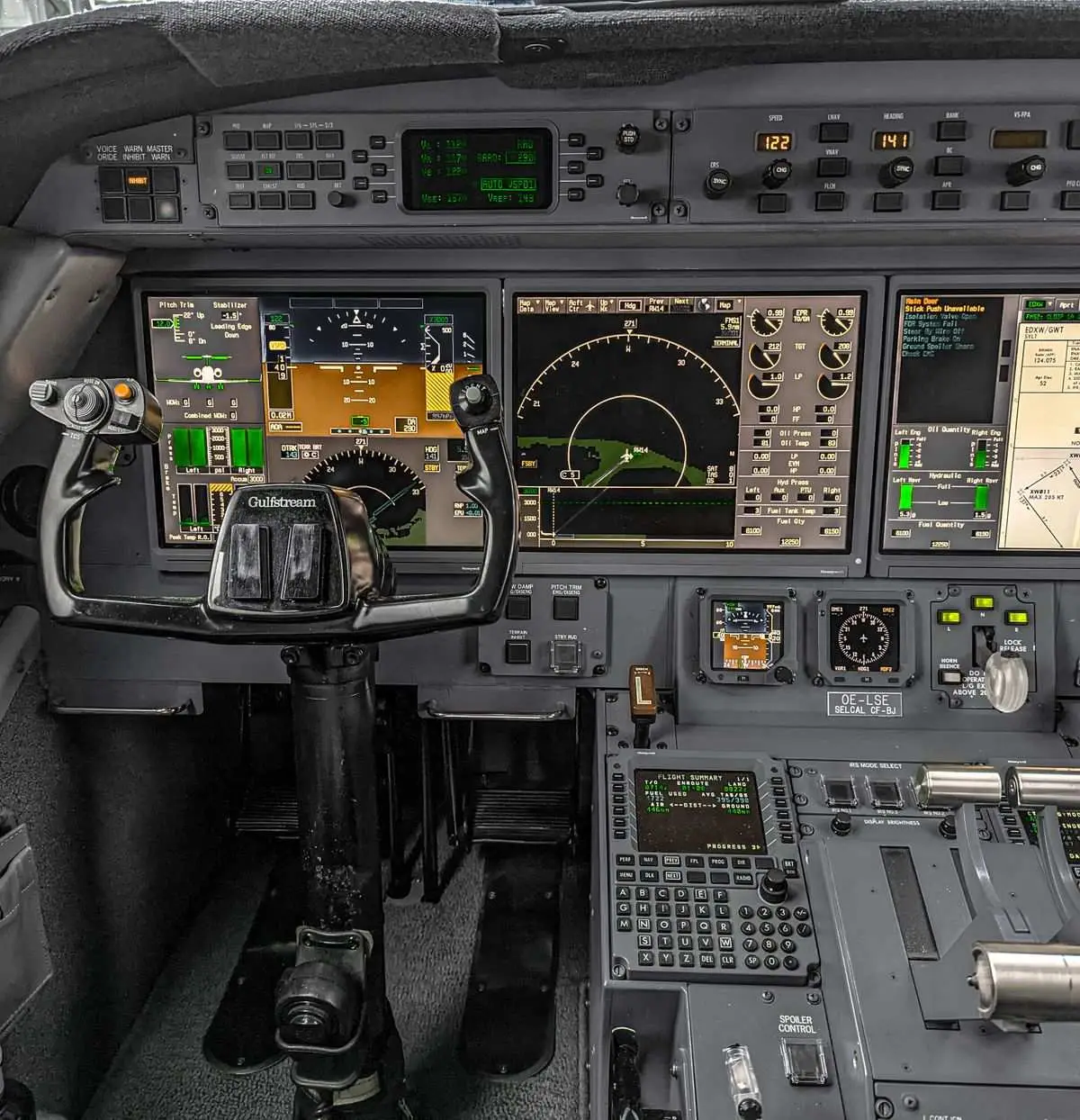
Avionics marketing that only lists features rarely converts strongly because feature tables do not answer the buyer's biggest concern: will this work well in my aircraft, with my budget, and with minimal disruption?
In avionics sales, installation capability often outweighs price. Buyers are choosing the team they trust to interpret approvals, manage downtime, and deliver a finished panel they can rely on.
That is why dealer marketing should combine product detail, aircraft-fit guidance, installer proof, and clear next steps. It is also why the site architecture matters so much. If the buyer cannot move naturally from system research to installation trust, the sales process gets much harder.
For the wider search framework, see aviation SEO complete guide. For website structure that supports technical selling, aviation website design complete guide is also relevant. If you want help building a lead-generation system for an avionics dealer or retailer, contact Off The Ground Marketing.