Broker or operator, stated at the top
For a brokerage, the page shows how you source and vet operators. For a Part 135 or AOC holder, it shows the certificate and the fleet. The two are never blended into a page that implies a fleet you do not own.
Air charter marketing for brokers and operators. Role, mission fit and a way to request a quote, at the top of the page.
What the work has to prove
We restructured the Google Ads campaign around aircraft type, mission and route demand. Cost per qualified quote request dropped 97% within the rebuild window.
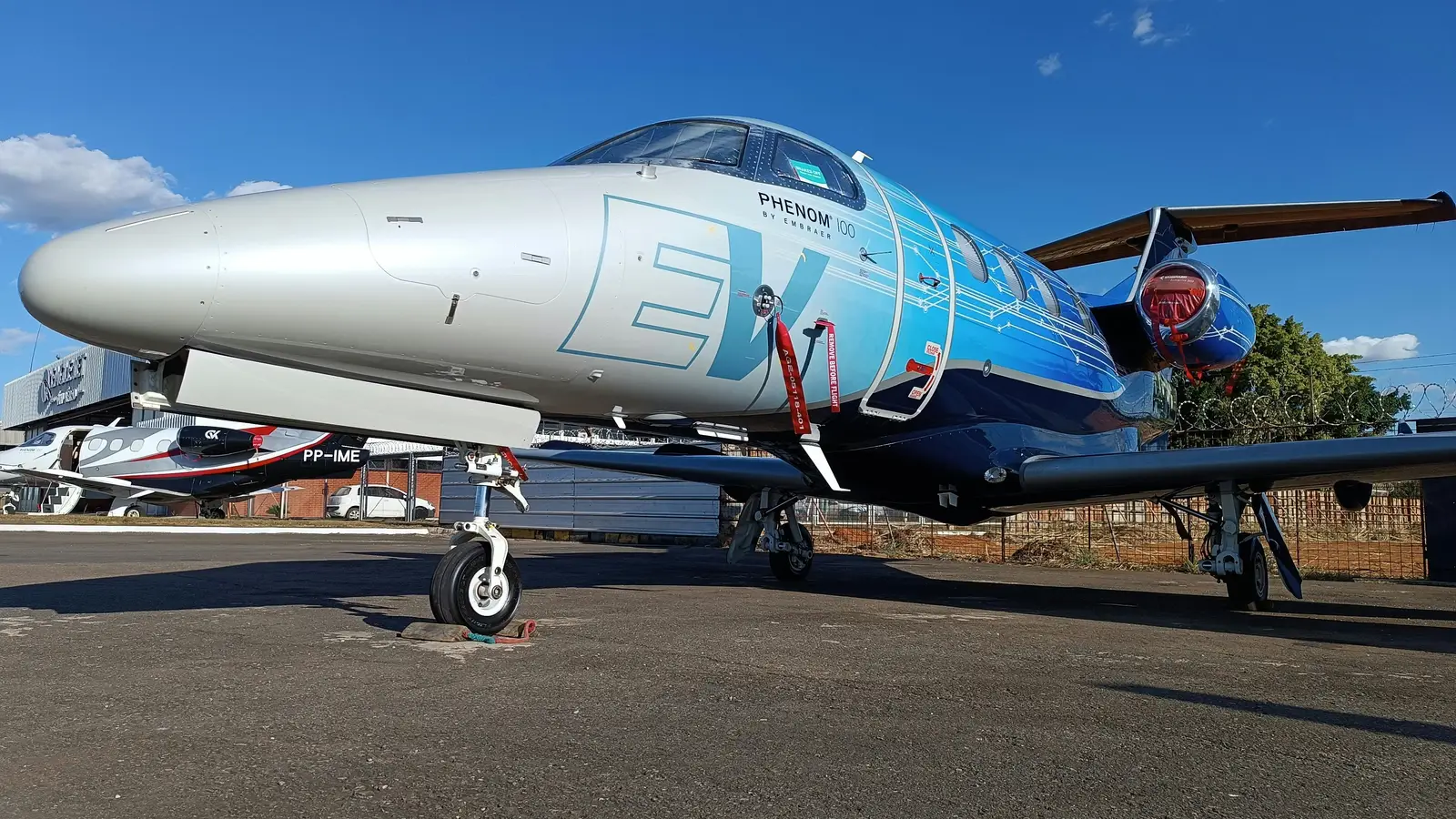
New York–Miami light-jet missions sourcing, vetting and a quote form in one place.
The top of a brokerage route page as we build it. Role first, then the city pair and the quote form.
How air charter marketing works here
A charter client wants to know three things: whether you are the broker or the operator, whether you fly the trip they have in mind, and whether anyone will answer a quote request. We build the pages and forms that settle each one.
For a brokerage, the page shows how you source and vet operators. For a Part 135 or AOC holder, it shows the certificate and the fleet. The two are never blended into a page that implies a fleet you do not own.
City-pair and aircraft-class pages give a client a reason to talk to you before an aggregator price ends the search.
Brokers and operators get separate quote forms. Empty-leg requests, which are urgent, are handled apart from corporate trips.
Three things that change
A broker or a traveler decides quickly, usually with an aggregator price open in another tab. Your page gets about a minute. These are the three places it tends to lose them.
You do the sourcing and the vetting. A client comparing aggregator prices does not see that in the first minute, because the cabin photos come first.
Your sourcing and vetting sit above the cabin photos. The client has a reason to stay with you before the price comparison ends it.
A search for a route and an aircraft sends the inquiry to whoever has a page for it. Most brokerage sites still read like someone else’s fleet.
You have a page for the routes and aircraft your clients search before they ask for a price.
What wins the trip is usually said on a call and never written on the page a travel manager reads. The only way in is a general contact form.
A trip inquiry and an operator quote request each go to the person who prices them.
The short version
Air charter marketing on this page starts with the air charter broker. Most people who arrive are sourcing trips, not holding the certificate. The work is mission pages, vetting the client can read, and a quote form that does not look like a marketplace.
Two buyer paths
Air charter broker
For brokerages. Your vetting standards go on the page, written so a travel manager can read them before asking the price.
Start as a brokerPart 135 / operator
For the Part 135 or AOC holder. Route and aircraft pages of your own, and quote requests that come straight to you.
Start as an operatorNext step
We will map the mission pages, vetting gaps and quote-form fixes. Certificate holders can take the operator route on the same page.
Related pages
Air charter marketing for brokers and Part 135 operators: mission pages, vetting proof and a quote desk that answers.
From the charter marketing blog
Different suppliers, different starting points
Operators start from different places. The pages below go deeper on each.
Private aviation clients expect a higher standard of service and credibility, and want specifics on aircraft, mission fit and response time.
Owner acquisition and management revenue need their own pages, because the owner's questions, the economics and the proof differ from standard charter demand.
FAQ
Part 135, broker or operator, where quote requests go, and how we scope the work.
Air charter marketing wins quote requests for brokers and Part 135 operators: mission and corridor pages, vetting proof a buyer can read, and a quote form answered by your own desk, not an aggregator. This page covers the commercial side worldwide. The country pages add regional context.
A charter marketing agency should deliver role clarity (broker or Part 135 operator), mission and corridor pages, vetting proof, and a quote path your ops desk can answer, with reporting on qualified quotes rather than traffic. Operators selling their own fleet direct should also read the private jet charter marketing page.
Start from the brokerage you run: the missions you source, the operators you will vet, and who answers the quote. Mission pages explain sourcing, vetting sits above the cabin photos, and the quote form names a person and a response time. Certificate holders get separate operator pages, so a brokerage is not written as if it holds the aircraft.
Digital marketing for air charter starts with the operation that exists: certificate or AOC, aircraft, bases, routes and quote-response capacity. Build route and aircraft pages around that, put the certificate where the buyer checks it, and track each qualified quote through response time and booked revenue, separate from brokerage sourcing.
A map of the routes worth selling, route and aircraft pages search engines can read, matching paid campaigns, operator proof a buyer can verify, and quote forms that record lead quality, response time and booked outcome. It should distinguish operator from broker and never imply authority the business does not hold.
Retainers run $1,500–$8,500 USD/month, with ad spend and website rebuilds separate. Launch Pad covers foundational SEO and content, Altitude ($3,000) adds paid quote demand, and Glass Cockpit ($5,500) adds denser route coverage. Written proposal first, then a 3, 6 or 12-month start and month-to-month after.
Qualified quote requests, cost per quote, response time and booked revenue, not branded traffic. Paid route campaigns can move within weeks. Organic route and aircraft pages usually show a lift in inquiries in three to five months. Every proposal names the quote metrics we will hold to.