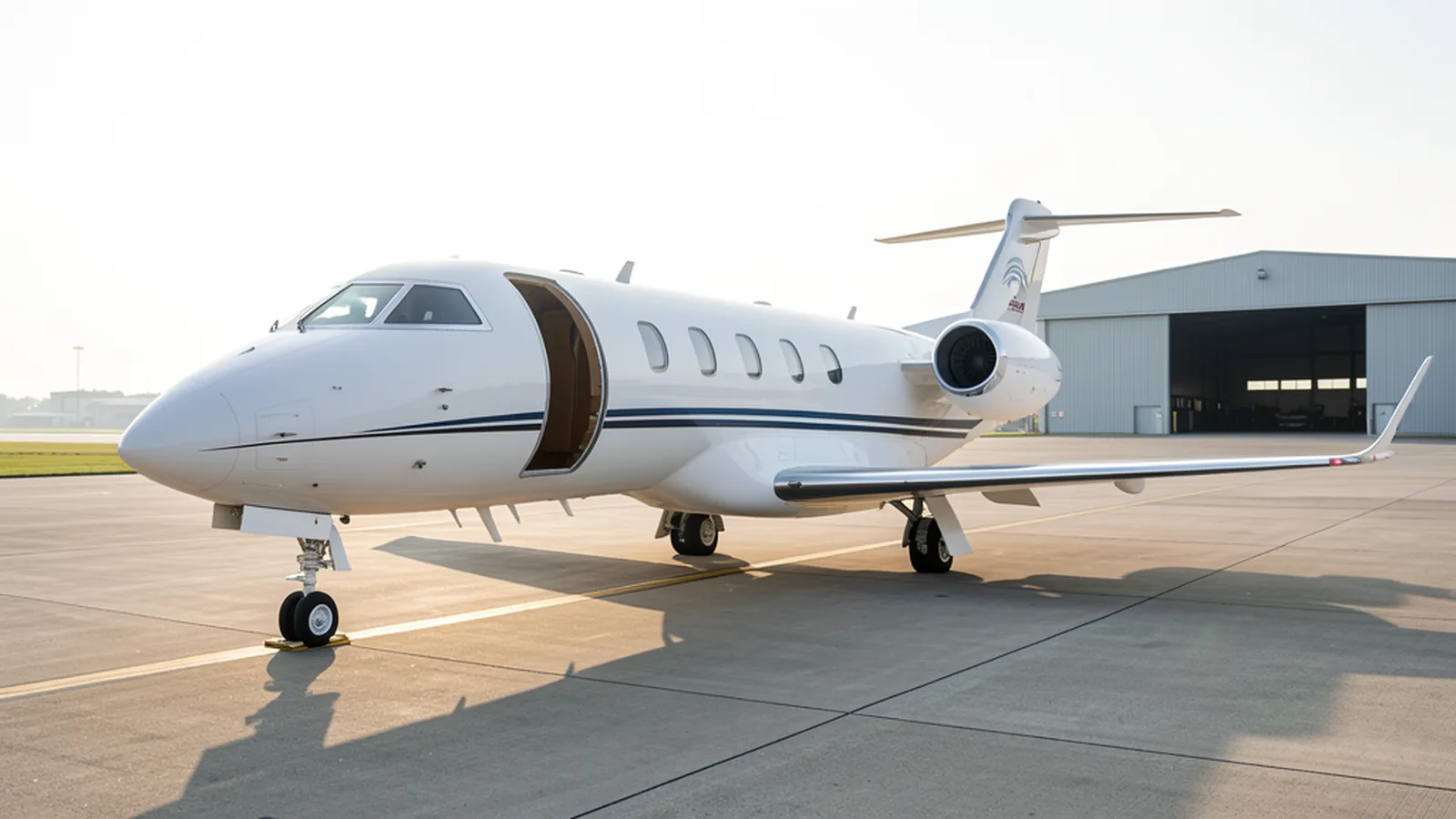
Helicopter charter marketing built for operators competing on mission and experience.
Helicopter charter runs smaller search volumes but higher purchase intent. Mission-specific pages convert more of the traffic you earn.
Tailored plan by email in 48 hours. No sales call required.
Part of
Charter Marketing
This is one of our specialist pages inside the wider charter marketing offering. If you need the full picture first, start there.
See the full charter marketing page →Quick answer
Should helicopter charter operators invest in SEO or PPC first?
If search volume in the target market is meaningful, SEO for mission and location terms builds durable search presence. PPC works well for seasonal peaks, specific routes, or when immediate lead volume is needed. Most operators benefit from both over time.
Fit check
Is charter marketing with OTG the right fit for your operation?
Right fit
- Operators where charter marketing sits inside the priority commercial path — discovery flights, quote requests, owner acquisition, or RFQ-qualifying enquiries depending on sector.
- Teams who want a team that understands charter marketing regulatory and operational language without a translator — Part 61, Part 135, Part 141, Part 145 depending on your category.
- Operators who want mission-specific landing pages, transparent AOC documentation, and structured quote-request flows that capture direct bookings.
- Teams who know a serious charter client converts on confidence in the operator's safety record, aircraft reliability, and crew credentials — not price alone.
Not the right fit if…
- Operators who prefer filling the schedule through broker aggregators at reduced margin rather than building a direct-booking path.
- Teams looking for a 30-day turnaround on competitive charter search terms — not realistic for any specialist.
Search journey
How aviation operators actually land on a charter marketing page.
Your customer doesn't search the way generalist agencies assume. They start with a regulatory or operational query specific to charter marketing, qualify you against one or two named competitors, then look for proof you've worked with an operator that looks like them — in that order.
Start broad
Charter Marketing
Most operators begin on the wider sector hub first, then narrow into the exact page type that matches the search they trust most.
Common searches
What usually gets compared next
These are the recurring problems, use cases, and intent patterns we see before someone commits to a page like this.
Adjacent pages
Pages they compare before enquiring
A serious reader usually moves laterally across the closest adjacent pages before deciding which route to pursue.
Conversion step
What moves them to contact
Once the fit is clear, they usually check scope or ask for a proposal tied to the exact page they landed on.
The problem
Why charter marketing pages stop generating enquiries.
Helicopter charter sites often present a single generic booking page with a contact form. Customers searching for specific missions — scenic tours, offshore transfers, aerial work, or luxury private hire — cannot tell whether the operator matches their need.
The market is heavily influenced by visual proof. Operators with weak photography, low-quality fleet presentations, and no mission storytelling lose enquiries to smaller competitors who have invested in credibility.
Helicopter PPC wastes budget quickly without tight geographic and mission targeting. Broad aviation keywords attract irrelevant clicks and inflate the cost of every qualified lead.
What we build
What we actually build for charter marketing operators.
Create mission-specific pages for scenic tours, private charter, offshore services, aerial work, and any specialist use cases your fleet supports.
Build visual and trust-led page design that shows fleet quality, safety culture, and booking experience so operators can compete on credibility, not just price.
Structure paid search around flight type, location intent, and specific mission terms to lower what each lead costs and improve quote request quality.
A pattern we see consistently in scenic-tour positioning: peak-season mobile traffic converts at a much higher rate when a dedicated scenic product page is separated from the generic charter contact form — pulling the tour offer onto its own page is the single biggest mobile-first lever this category has.
Next step
Want a plan without a sales call?
Tell us about your current site, who you want to reach, and what you actually sell. We'll come back with a tailored plan within 48 hours — no call required.
Request Proposal →How it works
From brief to qualified charter marketing enquiries.
No discovery call to start. You tell us the operation; we map the search landscape, build the pages and enquiry path, instrument the conversions, and report on enquiries — not impressions.
Map the opportunity
We audit your current site and search landscape against the operators already winning your terms, then agree the pages and quick wins that matter first.
Build the pages + funnel
Sector-specific landing pages, the enquiry path, and the proof a serious operator checks before they make contact — built to convert, not only to rank.
Instrument the enquiries
Search Console and GA4 wired to the actions that matter — proposal and audit requests — so the work is measured on qualified enquiries, by cluster.
Report on what converts
Monthly reporting that explains lift per page and per enquiry path, so spend follows what is actually producing customers.
Proof
See the work we've shipped for operators like you.
Services
Services we usually pair with this.
Keep reading
Where aviation operators usually go next.
Frequently Asked Questions
What operators usually need answered before they enquire.
Enough to match customer intent without padding. Each major mission type deserves its own page. A fleet page with real photography and specifications builds credibility. FAQ content around safety, booking, and pricing reduces friction before enquiry.
Visual quality, visible safety credentials, clear mission match, and response speed are the main differentiators. Price sensitivity is lower than most operators assume for serious customers.
Ready To Grow?
Want a page like this — but for your charter marketing?
We'll audit your current charter marketing pages against the operators ranking above you, identify the keyword + proof gaps, and send back a 48-hour proposal with scope, priorities, and price. No discovery call required.