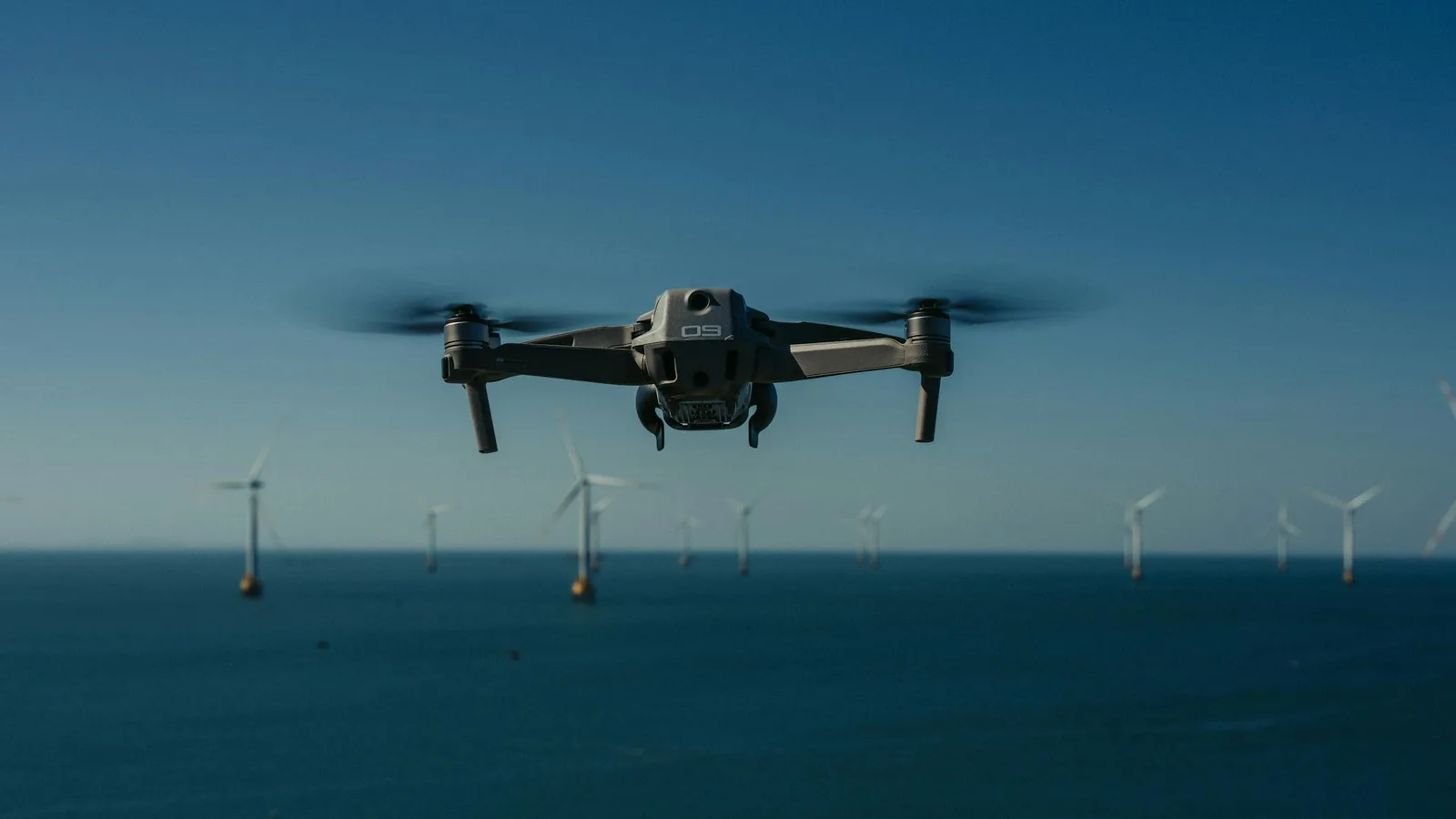
SEO for drone companies that need enterprise clients, not hobbyist traffic.
Drone company SEO is dominated by hobbyist content — we build commercial UAS rankings around Part 107 / ReOC signals and sample reports.
Tailored plan by email in 48 hours. No sales call required.
Part of
Drone Services Marketing
This is one of our specialist pages inside the wider drone services marketing offering. If you need the full picture first, start there.
See the full drone services marketing page →Quick answer
What keywords should drone companies focus on for SEO?
Commercial drone companies should prioritise vertical-specific terms over generic drone terms. "Industrial inspection drone services", "drone survey for construction", and "UAV crop monitoring" attract customers with real project requirements rather than hobbyist searchers.
Fit check
Is drone services marketing with OTG the right fit for your operation?
Right fit
- Operators where drone services marketing sits inside the priority commercial path — discovery flights, quote requests, owner acquisition, or RFQ-qualifying enquiries depending on sector.
- Teams who want a team that understands drone services marketing regulatory and operational language without a translator — FAA Part 107, CASA ReOC, and EASA SORA depending on your market.
- UAV operators selling into construction, energy, agriculture, infrastructure inspection, and government procurement.
- Teams whose buyers need a vendor-qualification pack — compliance, insurance depth, data deliverable accuracy, comparable project experience — before an RFQ can move.
Not the right fit if…
- Drone companies marketing equipment specifications and hobbyist imagery to an enterprise procurement audience.
- Teams looking for a 30-day turnaround on competitive drone service terms — not realistic for any specialist.
Search journey
How aviation operators actually land on a drone services marketing page.
Your customer doesn't search the way generalist agencies assume. They start with a regulatory or operational query specific to drone services marketing, qualify you against one or two named competitors, then look for proof you've worked with an operator that looks like them — in that order.
Start broad
Drone Services Marketing
Most operators begin on the wider sector hub first, then narrow into the exact page type that matches the search they trust most.
Common searches
What usually gets compared next
These are the recurring problems, use cases, and intent patterns we see before someone commits to a page like this.
Adjacent pages
Pages they compare before enquiring
A serious reader usually moves laterally across the closest adjacent pages before deciding which route to pursue.
Conversion step
What moves them to contact
Once the fit is clear, they usually check scope or ask for a proposal tied to the exact page they landed on.
The problem
Why drone services marketing pages stop generating enquiries.
Most drone SEO targets broad terms like "drone services" or "aerial photography" that attract hobbyists, competitors, and researchers rather than commercial customers with real project budgets.
Enterprise inspection, survey, and agricultural drone customers search by use case, asset class, airspace constraint, and compliance context. Content that does not match that specificity will not rank for or convert those searches.
The drone services market is heavily commoditised in search. Without clear vertical differentiation and strong technical content, drone companies compete on price rather than winning on specialisation.
What we build
What we actually build for drone services marketing operators.
Vertical-specific keyword research across inspection, survey, agriculture, media, and utility drone use cases that match how enterprise customers search, not how operators describe their equipment.
Content strategy and pages built around Part 107 / ReOC compliance, BVLOS or LAANC / COA capability, methodology, case study proof, and asset-specific outcomes that give commercial customers confidence before a site visit or tender.
Technical foundations including site architecture, structured data with local service-area markup, and mobile performance optimisation for customers researching in the field.
Links from SEO pages into inspection, survey, utility, and DaaS pages so every search visit has a clear path toward a vendor-qualification pack or RFQ conversation.
Next step
Want a plan without a sales call?
Tell us about your current site, who you want to reach, and what you actually sell. We'll come back with a tailored plan within 48 hours — no call required.
Request Proposal →How it works
From brief to qualified drone services marketing enquiries.
No discovery call to start. You tell us the operation; we map the search landscape, build the pages and enquiry path, instrument the conversions, and report on enquiries — not impressions.
Map the opportunity
We audit your current site and search landscape against the operators already winning your terms, then agree the pages and quick wins that matter first.
Build the pages + funnel
Sector-specific landing pages, the enquiry path, and the proof a serious operator checks before they make contact — built to convert, not only to rank.
Instrument the enquiries
Search Console and GA4 wired to the actions that matter — proposal and audit requests — so the work is measured on qualified enquiries, by cluster.
Report on what converts
Monthly reporting that explains lift per page and per enquiry path, so spend follows what is actually producing customers.
Proof
See the work we've shipped for operators like you.
Part 107, ReOC, and BVLOS evidence that clears the vendor-qualification gate before the RFI.
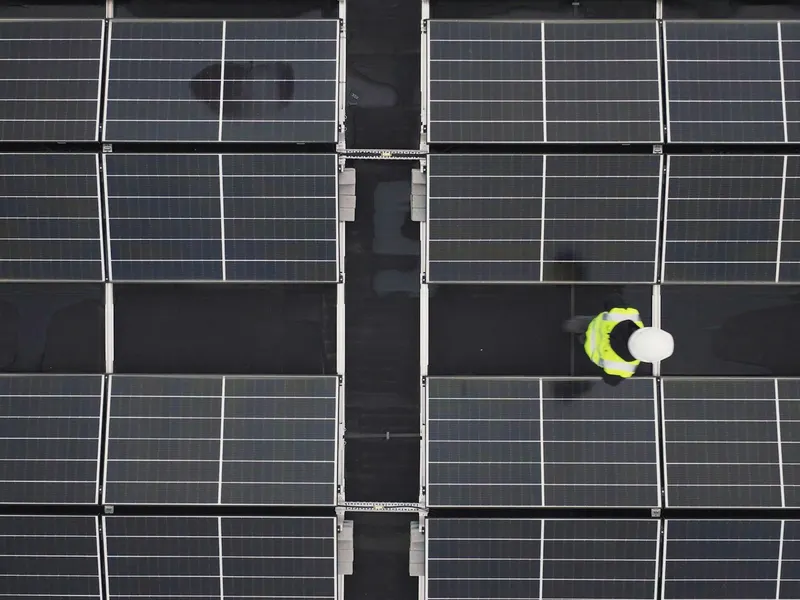
Drone services marketing is best anchored on named vertical depth (telecom tower, utility T&D, wind blade, solar farm, industrial-refinery) with sensor-aware content. Proof on this page is capability-led. /drone-inspection-marketing has the verticals-and-sensors detail an enterprise UAV ops lead expects.
Services
Services we usually pair with this.
Keep reading
Where aviation operators usually go next.
Frequently Asked Questions
What operators usually need answered before they enquire.
Most commercial drone operators need both. Local SEO captures nearby project work, while national or sector-specific SEO captures enterprise customers who evaluate providers across regions.
Most commercial drone operators see measurable traffic and enquiry improvements within 3 to 6 months. Competitive vertical terms take longer, but niche use-case pages can rank and generate leads within 60 to 90 days.
Ready To Grow?
Want a page like this — but for your drone services marketing?
We'll audit your current drone services marketing pages against the operators ranking above you, identify the keyword + proof gaps, and send back a 48-hour proposal with scope, priorities, and price. No discovery call required.