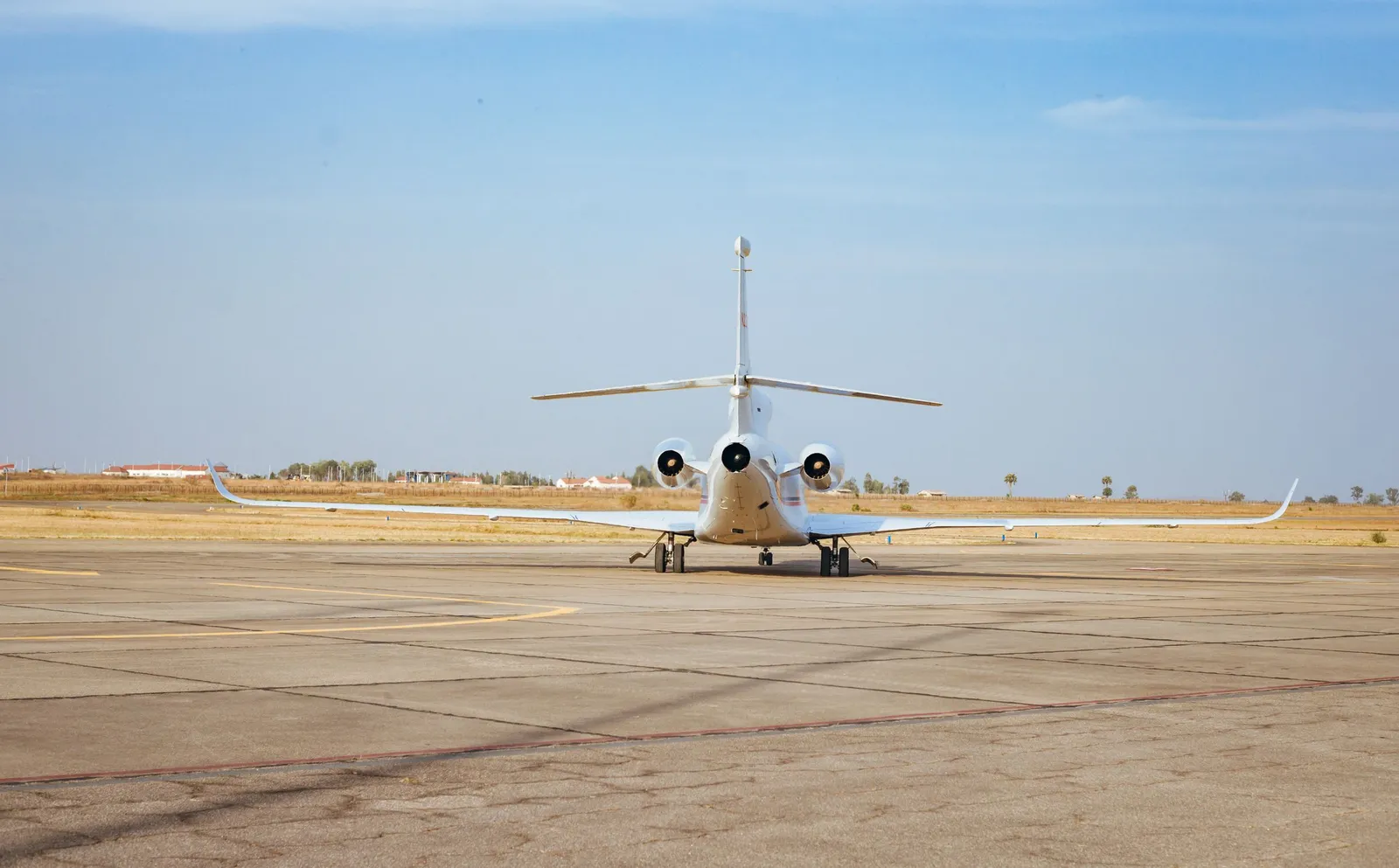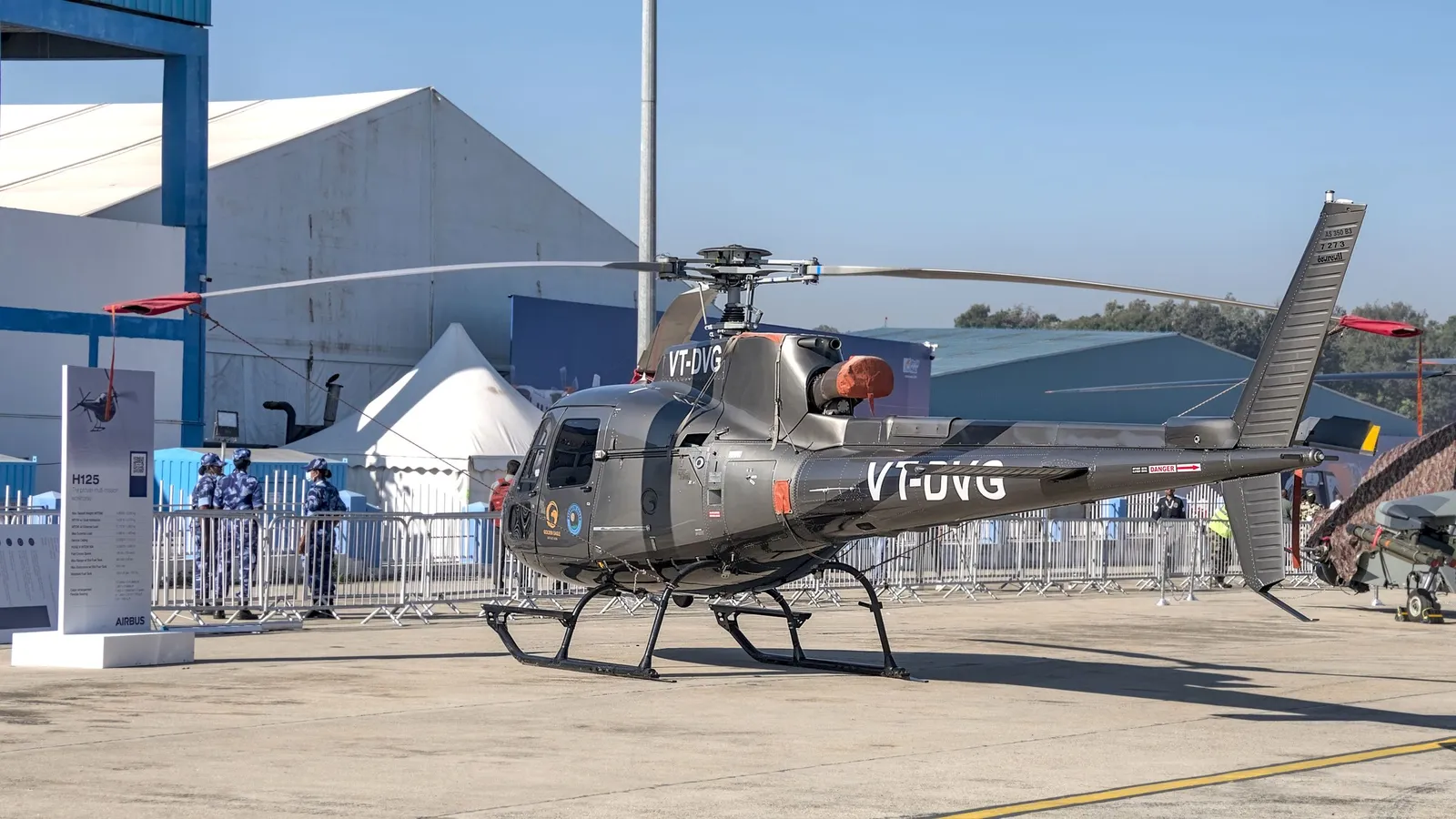

Aviation trade publications split by audience. Business aviation, rotorcraft, maintenance, airports and FBOs, aerospace manufacturing, and general aviation and flight training each have their own titles and their own editors. You get covered by sending the right editor a story their readers can use, with the facts, a photograph and a person to call.
Sending one release to every title at once is the common mistake. This guide starts with who covers what, then how to pitch. The service behind it is on our aviation PR agency page.
Aviation Trade Publications by Audience
We checked each title below on its own website on 23 November 2026. The descriptions follow what each publication says about itself or shows in its own sections.
| Audience | Titles | What they cover |
|---|---|---|
| Business aviation | AIN, Business Jet Traveler, Business & Commercial Aviation | Business and civil aviation news, charter and fractional, private flyers |
| Rotorcraft | Vertical | Civil helicopter operators, flight tests, maintenance, eVTOL |
| MRO and maintenance | Aviation Maintenance Magazine, Aircraft Maintenance Technology, Inside MRO | Commercial, military, rotor and business jet maintenance |
| Airports and FBOs | Airport Improvement, Airport Business, International Airport Review | Airport infrastructure projects, operations and management |
| Aerospace manufacturing | Aerospace Manufacturing and Design, Aviation Week & Space Technology, Aerospace America | Machining and assembly of components, plus aerospace, defense and space news |
| General aviation and flight training | General Aviation News, AOPA Pilot, AOPA Flight Training, FLYING | General aviation news, aircraft, avionics, training and flight schools |
| Across sectors | FlightGlobal, Flight International | Aerospace, air transport, safety and defense news |
A few details that change where a story should go:
- AIN and Business Jet Traveler share a publisher. Business Jet Traveler is written for people who fly privately, so it suits charter and ownership stories better than supplier news. AIN also runs an annual FBO Survey in which its readers rate facilities.
- Vertical covers the civil helicopter industry, with operator profiles, flight tests and an eVTOL section.
- Aviation Maintenance Magazine sorts its news into commercial, military, rotor and business jet. Aircraft Maintenance Technology and Airport Business both sit within Aviation Pros.
- Inside MRO is an edition of Aviation Week & Space Technology. Business & Commercial Aviation is another Aviation Week Network title.
- Airport Improvement is about infrastructure projects, from runways and terminals to fuel and hangars. International Airport Review is written for airport leaders.
- Aerospace Manufacturing and Design covers the machining and assembly of aerospace components. Aerospace America is published by the AIAA.
- General Aviation News has covered general aviation since 1949. AOPA publishes AOPA Pilot and AOPA Flight Training. FLYING has sections for training and flight schools.
- FlightGlobal runs news across aerospace, air transport, safety and defense, alongside Flight International.
Titles change, which is why the list needs checking each time. Vertical Aviation International's member magazine, known for decades as ROTOR and then as POWER UP, ended with its June 2026 edition and was replaced by a weekly newsletter. A media list built two years ago would still have it on there.
What an Aviation Trade Editor Wants
An editor is choosing what their readers need this week. Your news competes with an OEM delivery, a rule change and an accident report. What helps it through is being specific and easy to check.
Key point
Give the editor the aircraft type, the certificate or approval, the date, the place and a named person who will pick up the phone. If a detail can be verified in public, say where.
Editors also want to know why their readers should care. "We bought a second aircraft" is your news. "A second aircraft means same-day medevac cover for the northern half of the state" is the reader's news.
Write for one audience at a time. A new hangar is a capacity story for a maintenance title and a tenant story for an airport title. One release cannot do both jobs well.
How to Pitch a Trade Editor
Choose one title and one person
Read the last month of that title. Find the editor or reporter who covers your subject, and note what they ran and how long it was.
Put the news in the first line
Who, what, where, when, in one sentence. The subject line of the email should carry the same facts.
Add the facts that can be checked
Aircraft types, approvals, dates and figures you are allowed to publish. Leave out adjectives.
Attach a photograph and offer a person
One landscape photo with a caption and a credit, and a named person available for a call this week.
Follow up once
A single short note two or three working days later. After that, take silence as a no and try the next title with a pitch written for it.
Photographs Decide More Than Most Pitches Admit
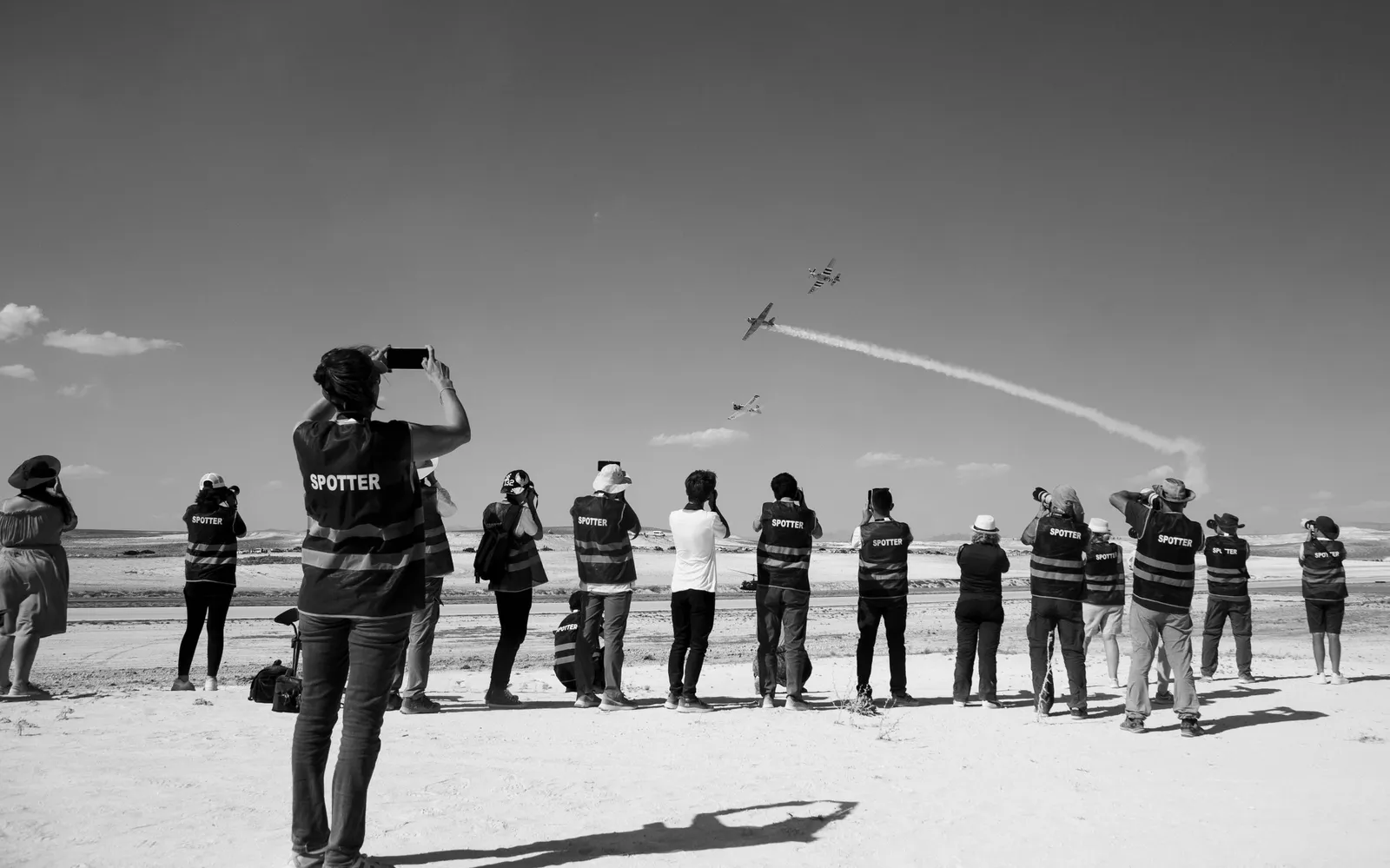
Vertical's publisher describes the magazine as backed by its photography, and it is not alone in that. A phone snap of a sign on a wall will not make the page.
Send one strong image of the actual aircraft, facility or team, taken in good light. Name who took it and confirm the title may publish it.
Exclusives and Embargoes
Both are agreements with an editor. Neither is something you can impose.
| Exclusive | Embargo | |
|---|---|---|
| What it is | One title gets the story first | Several titles get it early and agree to hold it until a set time |
| When it fits | A bigger story that deserves a full feature in the one title your buyers read | News timed to a show, a ceremony or a customer's own announcement |
| What you give up | Other titles will run less, or nothing | Control, if a title has not agreed to the terms |
| How to ask | Offer it by name, with a deadline for a yes or no | Ask before sending, and state the date, time and time zone |
If an editor declines an exclusive, you are free to offer it elsewhere. If you put an embargo line on a release nobody asked for, treat the news as public the moment you press send.
Contributed Articles
Some trade titles take articles from people who do the work: a director of maintenance on turn times, a chief pilot on training, a quality manager on audit findings. Editors want a practical point their readers can use. They do not want a sales piece.
Ask for the title's contributor guidelines before you write. Pitch the idea in three lines first, and let the editor shape the angle. Our content team drafts these with the person whose name goes on them.
What a Press Release Is Good For, and What It Is Not
A release is the record: the facts, the quote, the date, the contact. Several trade titles, Vertical and Aviation Maintenance Magazine among them, keep a press releases section for exactly that. A newswire adds reach on news sites beyond the trade.
A release does not earn an article. Editorial coverage is the editor's choice, and it tends to follow a direct pitch with the release attached as the reference.
Keep every release on your own site as well. Ours sit in our newsroom, each with the facts behind it.
Why Coverage Matters After the Week It Runs
A trade article is a page on someone else's site that says what your company does, in an editor's words. Buyers find it in search months later, and AI assistants read it too.
In a check we ran on 22 November 2026, we asked ChatGPT, Gemini, Google AI Mode and Perplexity 42 buyer-style questions about hiring marketing help in aviation and aerospace. The 168 answers carried 1,203 citations pointing at 473 different websites. That is one answer per question, in one country, with questions we wrote, and answers change from run to run. Even so, it shows how widely assistants read.
Next Step
If you have news and no media list, send it to us before you send it anywhere. We will tell you which title it suits and whether it needs a pitch, a release or both. Start on the aviation PR agency page, or request a proposal with the story and your timing.
Suppliers with a contract or certification to announce should read how to announce a contract, a certification or a new capability first.