Seaplane and floatplane charter has a natural advantage most aviation businesses would like to have: the product is instantly visual. The problem is that visual appeal on its own does not create reliable bookings. Operators still need to match destination demand, package structure, and booking clarity to the way people actually search and decide.
That is why some seaplane businesses stay seasonal and inconsistent while others build a steadier pipeline. The winners treat scenic appeal as an entry point, then use destination-led SEO, better offer design, and tighter booking flows to turn interest into revenue.
Know the Different Reasons People Book Seaplane Charter
Seaplane demand is rarely one single market. Scenic flights, island transfers, tourism packages, lodge transfers, remote access, and private charter all behave differently. Each has different search intent, pricing tolerance, and booking urgency.
Tourism buyers often search by destination and experience: harbour flight, island transfer, reef scenic flight, lodge transfer, or waterfront arrival. Private charter buyers search more like premium transport buyers. Remote-access clients search around practicality, timing, and geography. If your site treats all of that as one generic "charter" service, you dilute the conversion path for everyone.
The best operators organise their marketing around route and use-case pages. That lets the buyer see immediately that you understand the specific experience or transport problem they are trying to solve.

Destination SEO Does Most of the Commercial Work
Seaplane operators do not need to win every aviation search. They need to win the searches that combine place, experience, and booking intent. Examples include "Sydney seaplane lunch flight," "Vancouver floatplane charter to island resort," or "seaplane transfer Maldives hotel."
These searches are commercially strong because the buyer is already imagining a concrete experience or itinerary. A route or destination page that shows the experience, explains timing, includes package details, and answers the common questions can convert extremely well even at modest traffic volume.
Destination pages should include what makes the trip valuable: timing saved, departure and arrival logic, scenic highlights, likely flight duration, inclusions, and how weather or weight limits are handled. Most operators under-explain this and lose bookings to uncertainty rather than to competitors.
Visual Content Needs to Sell the Experience and the Operation
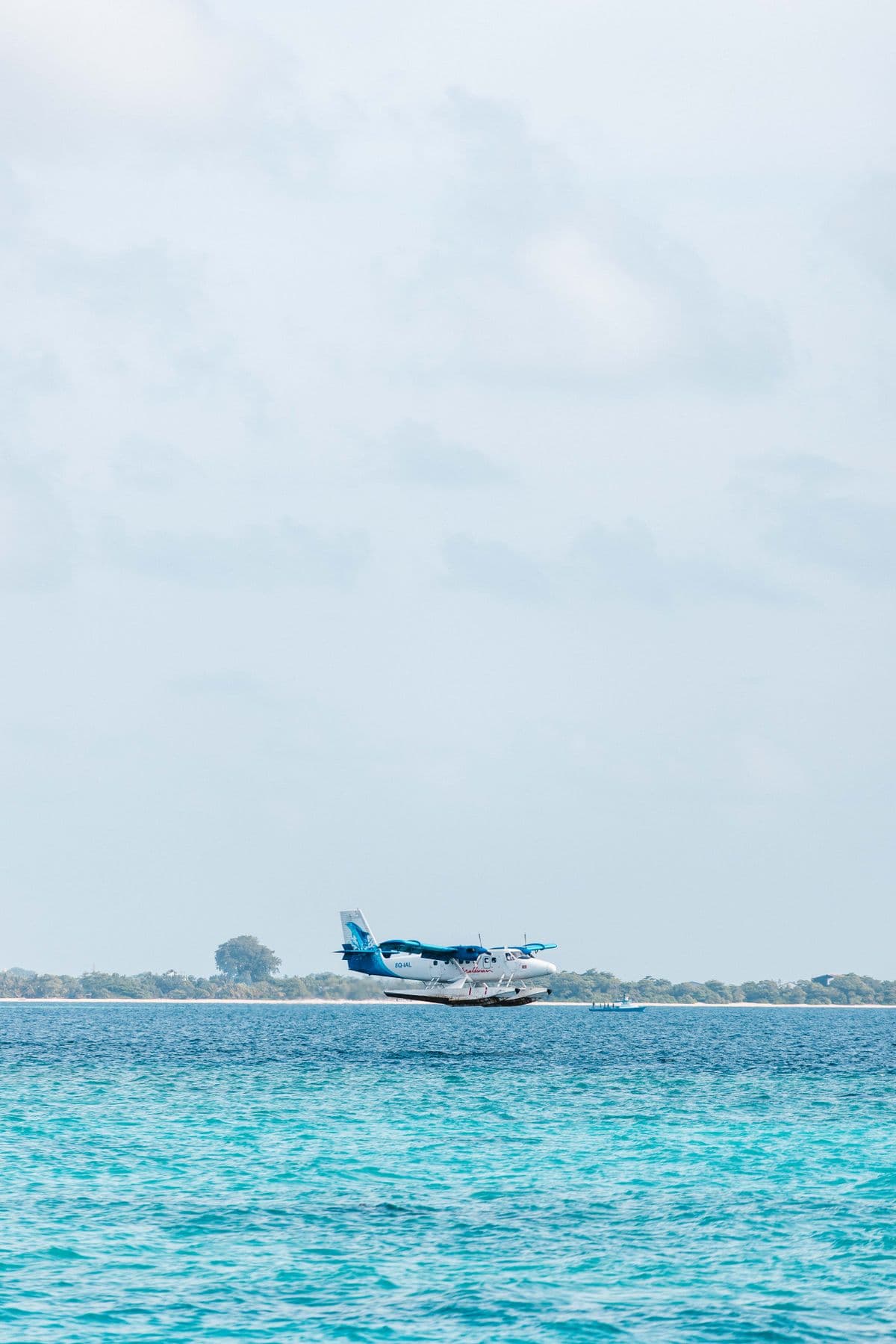
In seaplane marketing, photography does more than create atmosphere. It helps the buyer decide whether the experience looks premium, safe, and worth the price. That means the content mix should show aircraft, waterfront boarding, destination arrival, and the scenery itself.
Social media can work well here because the sector is visually rich, but it is strongest when it feeds a proper booking funnel. Short-form video and destination imagery can generate attention, but the website still needs the commercial page that closes the sale. A pretty Instagram feed without route pages, package pages, and retargeting structure leaves too much money on the table.
This is why seaplane operators often benefit from the same remarketing discipline we recommend for other charter businesses. If someone views a destination or package page and leaves, retargeting should bring them back to that exact experience. The mechanics are similar to retargeting ads for charter aviation.
Build Pages Around Bookable Packages
Lead With the Destination or Experience
The buyer should know immediately what the page sells: harbour scenic flight, island transfer, lunch package, lodge arrival, or private charter. Vague seaplane branding is not enough.
Show the Full Booking Shape
Publish duration, departure point, inclusions, price anchor or range, and who the package suits. Buyers drop off when they cannot tell what happens next.
Use Real Photography and Clear Availability Signals
Current images and a realistic booking CTA help the buyer decide quickly. If the product is seasonal, say so and make the next available window visible.
Cross-Link Similar Experiences
Visitors comparing a scenic flight may also consider a lunch package or private charter. Keep those options visible so interest does not dead-end on one page.
Booking Flow and Seasonality Usually Matter More Than Awareness
Most seaplane operators do not have an awareness problem. They have a booking-friction problem. Pricing is unclear, package differences are not obvious, weather policies are hidden, or the path from interest to reservation is too vague.
That friction becomes more costly in shoulder and off-peak periods when demand is thinner. Operators who manage seasonality well usually plan their content and promotions in advance. They push gift periods before peak seasons, package underused slots intelligently, and keep destination pages updated so they can capture search demand as it appears.
In seaplane charter, photography is not just branding. It is part of conversion. Buyers judge premium value, experience quality, and trustworthiness from the imagery long before they read the booking details.
For operators in mixed charter markets, it also helps to connect the seaplane experience into a broader charter strategy. Helicopter charter marketing and the wider charter marketing hub can support that structure. If you want help building a lead-generation system for a seaplane or floatplane operator, contact Off The Ground Marketing.