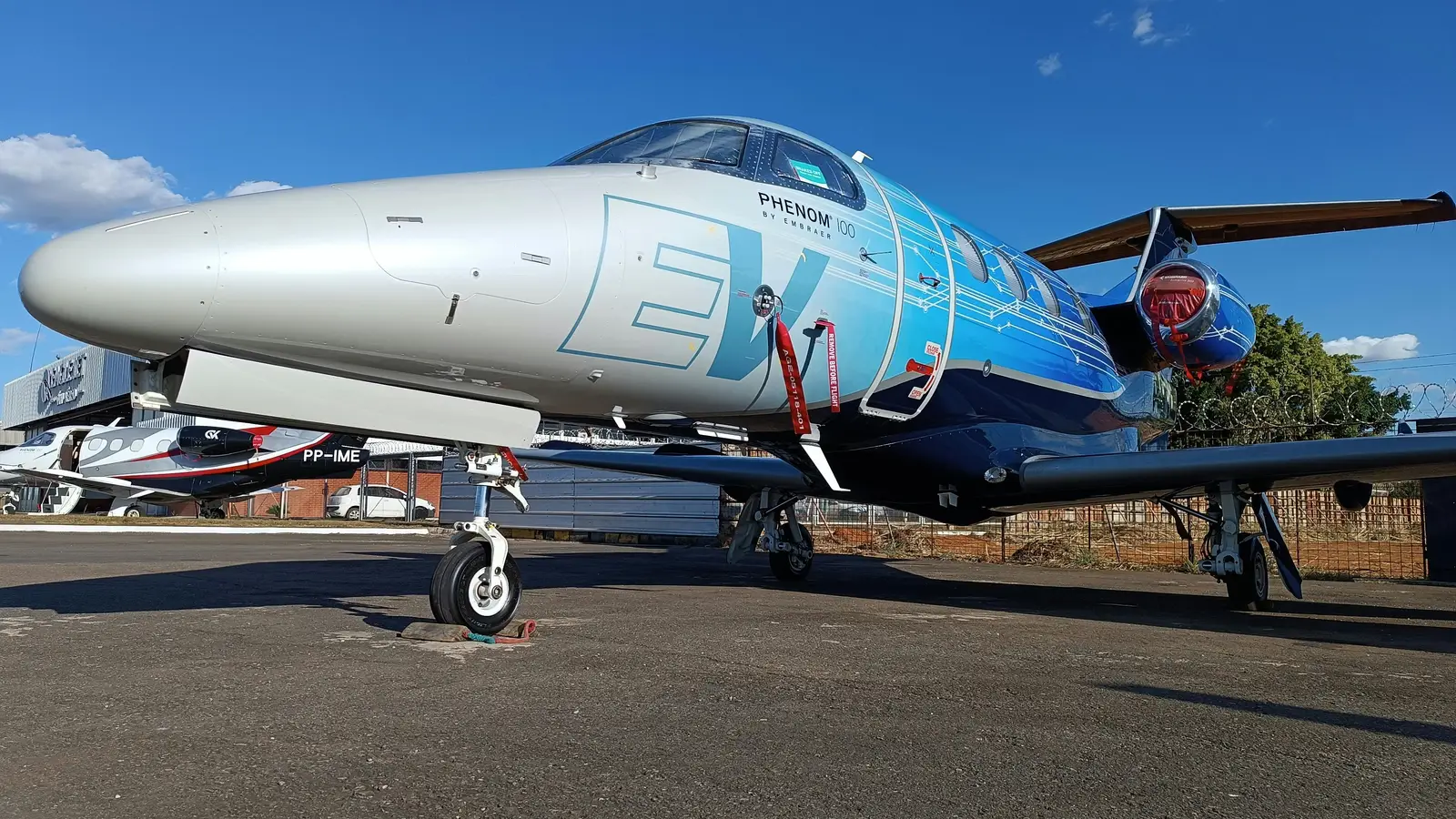
For FAA Part 135 certificated air carriers, client acquisition has historically remained captive to wholesale charter broker networks and aggregator quote platforms. While broker desks supply steady dispatch volume, third-party intermediation siphons ten to twenty percent of trip revenue, strips away client flight records, and commoditizes premium airframe fleets down to base hourly rates.
When corporate flight departments, family office dispatchers, and high-net-worth principals require private lift, they do not default to generic consumer travel apps. They evaluate operators through a strict lens: verified air carrier operating authority, pilot recurrent training standards, aircraft dispatch reliability, and direct quoting responsiveness.
Developing an in-house digital acquisition pipeline enables Part 135 charter operators to capture direct flight demand, insulate operating margins from broker discount pressure, and build enduring enterprise accounts.
1. The Commercial Friction of Broker Intermediation
Relying entirely on third-party charter brokers introduces significant operational and commercial vulnerabilities:
- Client Disintermediation: The wholesale broker retains passenger data, itinerary histories, and billing contacts. When the principal books subsequent flight hours, the broker shops the itinerary across competing operators to squeeze wholesale margins.
- Margin Compression on Empty Legs: Repositioning legs and one-way flights are frequently discounted on public broker boards by fifty percent or more, barely offsetting direct operating costs.
- Loss of Technical Brand Equity: Aircraft investments—such as onboard Ka-band connectivity, freshly refurbished cabin interiors, or ARGUS Platinum safety ratings—are flattened into generic hourly categories on wholesale boards.
Direct client acquisition reclaims control over the customer lifecycle, converting transient flight requests into contracted multi-year corporate flight retainers.
Detailed service blueprints for private aviation positioning sit on our charter marketing hub.
2. City-Pair Corridor Search Architecture
Charter flight buyers rarely search using abstract marketing terminology. Corporate flight coordinators and executive travel managers search by aerodrome identifiers, regional corridors, and aircraft category suitability:
- Hub-to-Hub Business Corridors: High-frequency corporate routes such as Teterboro (KTEB) to West Palm Beach (KPBI) or Van Nuys (KVNY) to Las Vegas (KLAS).
- Secondary Aerodrome Routing: Regional business trips serving reliever airports with specific runway and field performance requirements where commercial airlines cannot operate.
- Airframe Category Intent: Queries driven by specific payload and range needs, including super midsize jet charter or light jet regional corporate flight.
Structuring your website with programmatic city-pair landing pages provides corporate travel planners with runway analysis, block-hour estimates, and direct quote paths. Pair this architecture with technical aviation SEO to capture buyers at the exact moment itineraries are planned.
3. High-Converting Fleet and Ramp Infrastructure
An air carrier website serves as an operational qualification gate. When a chief pilot or corporate dispatcher lands on your domain, the digital experience must answer key operational criteria within sixty seconds:
- Active Part 135 Certificate Verification: Clear display of FAA certificate credentials, operational specifications (OpSpecs), and worldwide operating authority.
- Safety Audit Accreditations: Prominent positioning of ARGUS Platinum, Wyvern Wingman, and IS-BAO Stage certifications with explicit documentation of flight crew qualification standards.
- Cabin Layout & Luggage Capacity: Exact seating configurations (berthable seats, club arrangements, belted lavatories) and cubic-foot cargo dimensions for business baggage or sports equipment.
- Sub-Two-Second Core Web Vitals: Instant mobile rendering designed to modern aviation website design standards, ensuring dispatchers booking from flight lines experience zero latency.
4. Capturing High-Yield Corridor Demand with Paid Search
Organic search builds long-term route authority, while targeted search advertising captures immediate, time-sensitive flight requirements:
- Corridor-Specific Ad Grouping: Structuring campaigns around specific departure aerodromes where your fleet maintains dedicated base or transient presence.
- Strict Negative Keyword Filtering: Eliminating fractional card inquiries, commercial airline ticket queries, and consumer travel research.
- Frictionless Intake Forms: Streamlining the flight quote request to four core fields: departure, arrival, departure date/time, and passenger count.
Integrating structured search campaigns through aviation PPC ensures high-margin charter flights are booked directly during peak seasonal travel windows.
5. Integrating with Airport Partner Networks
Part 135 operators do not operate in a vacuum. Cross-functional collaboration across airport ecosystems strengthens commercial positioning:
- Establish fuel and handling relationships with airport ramp operators through aligned FBO marketing programs.
- Coordinate type-rating pipelines and recurrent first officer hiring with academies detailed in our flight school marketing guide.
- Provide charter revenue offset opportunities for aircraft owners evaluating third-party fleet management.
Build an Inbound Part 135 Charter Pipeline
Transitioning from broker dependence to direct client acquisition demands technical search authority, transparent fleet documentation, and rapid digital quoting workflows.
To evaluate your Part 135 charter operation's search footprint and build a direct booking engine, contact our team to request an aviation marketing proposal.