The FAA's MOSAIC rule is the most significant regulatory change to affect light aviation training in the United States in over two decades. Released as a final rule in July 2025, with sport pilot regulation changes effective October 22, 2025 and Light Sport Aircraft changes effective July 24, 2026, MOSAIC reshapes the sport pilot certificate from a niche pathway into a genuinely attractive entry point for a much wider market of prospective pilots.
For flight school owners, this is not just a regulatory update to acknowledge. It is a commercial opportunity that will define which schools grow their student pipelines through 2026 and 2027 — and which ones watch that demand go to competitors who moved faster.
This article covers how to update your marketing strategy, website content, SEO, and advertising to capture the wave of new sport pilot training interest that MOSAIC is already generating.
What MOSAIC Changes and Why It Matters Commercially
Before MOSAIC, the sport pilot certificate was limited in ways that made it unattractive to many prospective students. Sport pilots could only fly specific Light Sport Aircraft — typically two-seat, fixed-gear, relatively simple machines. The restriction on aircraft types, combined with a single-passenger limit, positioned the sport pilot pathway as a compromise rather than a serious entry into aviation.
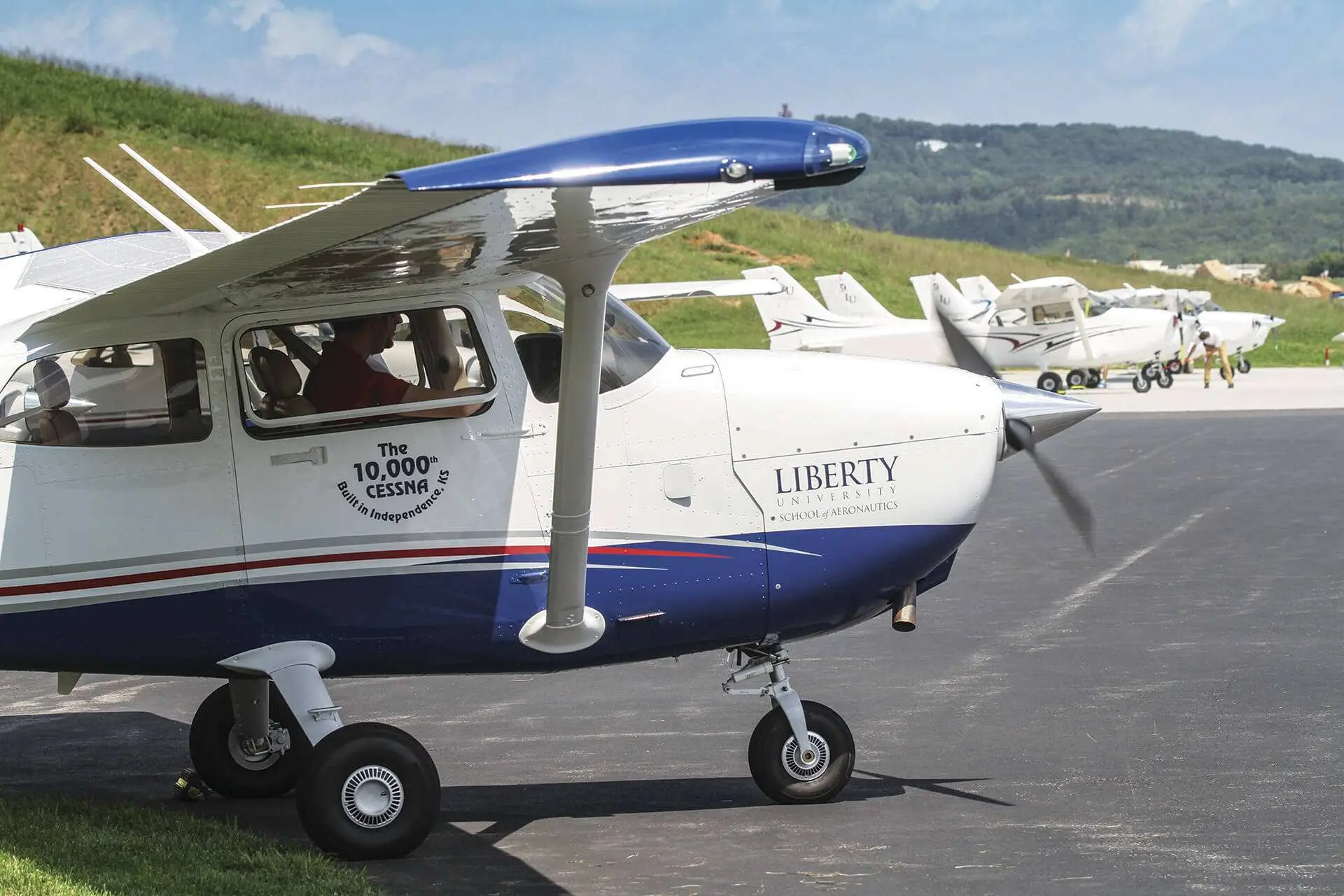
MOSAIC changes that calculus substantially. Sport pilots can now operate a much wider range of aircraft, including many four-seat models (still limited to one passenger). Critically, training can now be conducted in more capable, widely available aircraft like the Cessna 172 — the most common training aircraft in the world. This means flight schools no longer need a dedicated Light Sport fleet to offer sport pilot training. Schools already operating 172s can add sport pilot programmes with minimal capital investment.
The cost implications are significant on the aircraft manufacturing side as well. Manufacturers can now produce training aircraft under ASTM consensus standards rather than full FAA type certification, which reduces production costs and should, over time, lower the cost of training aircraft entering the market.
For flight school marketing, the commercial translation is straightforward:
- Larger addressable market. Sport pilot training now appeals to career changers, retirees, recreational flyers, and cost-conscious students who previously dismissed it as too limiting.
- Lower training costs. Reduced aircraft certification costs and the ability to train in existing fleet aircraft make the sport pilot pathway more affordable to promote.
- Faster completion. Fewer required hours than the private pilot licence means a faster path from first lesson to certificate, which is a powerful marketing message.
- Existing fleet compatibility. Schools already operating Cessna 172s or similar aircraft can launch sport pilot programmes without fleet investment.
If your flight school has not yet updated its marketing to reflect these changes, you are leaving demand on the table.
The New Sport Pilot Market: Who Are These Prospective Students?
Understanding who the MOSAIC-era sport pilot student is — and how they differ from the traditional private pilot candidate — is essential for building marketing that resonates.
Career changers and second-career adults. The reduced medical requirements (no FAA medical certificate required — a valid driver's licence suffices) and lower training costs make sport pilot certification attractive to people in their 40s, 50s, and 60s who always wanted to fly but saw the private pilot pathway as too expensive or medically uncertain.
Cost-conscious younger adults. A sport pilot certificate completed in a Cessna 172 represents a significantly lower financial commitment than a full private pilot licence. For younger adults managing student debt or early-career budgets, this is a meaningful differentiator.
Recreational flyers with no career ambitions. Not every prospective student wants to build hours toward a commercial certificate. MOSAIC makes recreational flying more accessible, and these students respond to marketing that emphasises enjoyment, lifestyle, and weekend flying rather than career progression.
Existing sport pilots upgrading. Pilots who obtained sport pilot certificates under the old rules now have expanded aircraft privileges. Marketing that speaks directly to these pilots — highlighting what they can now fly and where — captures a segment that already has a licence and is motivated to use it more.
Your website content, ad copy, and programme descriptions should reflect these personas. A flight school that only markets sport pilot training using the same language it uses for PPL students will miss the mark. The motivations, concerns, and decision factors are different.
How to Update Your Website Content for MOSAIC-Era Training
Your website is where the conversion happens. Prospective students will search, land on your pages, and make a decision about whether your school is the right fit — all before they pick up the phone. Here is what needs to change.
Dedicated Sport Pilot Training Page
If your school does not already have a standalone page for sport pilot training, create one immediately. This page should cover:
- What the sport pilot certificate allows (aircraft types, passenger limitations, airspace privileges)
- How MOSAIC has expanded these privileges
- Which aircraft in your fleet are eligible for sport pilot training
- Estimated training timeline and cost
- Medical requirements (driver's licence vs. FAA medical)
- A clear enquiry form or booking call-to-action
This page should not be buried inside a general "programmes" section. It needs its own URL, its own metadata, and its own internal linking. For guidance on structuring flight school service pages for search, see our SEO for flight schools guide.
Cessna 172 Sport Pilot Training Page
One of the most searchable angles from MOSAIC is the ability to complete sport pilot training in a Cessna 172. Build a dedicated page targeting this query. Many prospective students will search specifically for "Cessna 172 sport pilot training" or "can you train for sport pilot in a 172" as they research their options. A page that directly answers this question, with your school's specific programme details, will capture high-intent traffic that generic competitors miss.
Sport Pilot vs. Private Pilot Comparison Page
This is one of the highest-value content pieces you can create. Prospective students at the early research stage almost always want to understand the difference between the sport pilot certificate and the private pilot licence. A well-structured comparison page covering cost, time, medical requirements, aircraft privileges, and upgrade pathways answers the question they are actually asking and positions your school as the authority.
Structure the comparison clearly — a side-by-side table works well — and include a recommendation section that helps the reader decide which pathway fits their goals. This page will attract significant organic search traffic and serve as a natural entry point into your training enquiry funnel.
Update Existing Programme Pages
Review every existing training programme page on your site. If you mention Light Sport Aircraft, sport pilot certification, or introductory flight experiences, those pages need to reflect the post-MOSAIC reality. Outdated information about aircraft restrictions or sport pilot limitations will confuse prospects and undermine your credibility with anyone who has already read about the new rules.
SEO Keywords to Target for MOSAIC-Driven Demand
The keyword landscape around MOSAIC and expanded sport pilot training is still forming. Search volume for these terms is growing but competition is low — most flight schools have not yet built content around the regulatory changes. This is a first-mover advantage window.
Primary keyword targets:
- sport pilot training [city/state]
- MOSAIC flight training
- sport pilot licence cost
- sport pilot vs private pilot
- Cessna 172 sport pilot training
- learn to fly sport pilot [city]
- sport pilot certificate requirements
- MOSAIC rule flight schools
Long-tail keyword targets:
- how much does sport pilot training cost [year]
- can you fly a Cessna 172 with a sport pilot licence
- sport pilot medical requirements [year]
- MOSAIC rule aircraft list
- sport pilot training near me
- fastest way to get a pilot licence
Each primary keyword cluster should have a dedicated page or blog post. Long-tail terms should be addressed in FAQ sections, comparison guides, and supporting blog content that links back to your main sport pilot training page. For a complete approach to flight school search strategy, our flight school marketing guide covers the full framework.
Google Ads Strategy for Capturing MOSAIC-Driven Search Demand
Organic SEO takes time. While you build content authority around MOSAIC-related terms, Google Ads lets you appear at the top of search results immediately. Here is how to structure campaigns around the new demand.
Campaign Structure
Create a dedicated campaign for sport pilot training — do not mix these keywords into your existing PPL or general flight training campaigns. Sport pilot searchers have different intent, different budget expectations, and different objections. They need their own ad copy and their own landing pages.
Ad Group 1 — Sport Pilot Training (Location) Keywords: sport pilot training [city], learn to fly sport pilot [state], sport pilot school near me
Ad Group 2 — MOSAIC-Specific Keywords: MOSAIC flight training, MOSAIC rule training, new sport pilot rules training
Ad Group 3 — Cost and Comparison Keywords: sport pilot licence cost, sport pilot vs private pilot cost, cheapest way to get a pilot licence
Ad Group 4 — Aircraft-Specific Keywords: Cessna 172 sport pilot, sport pilot training Cessna, four-seat sport pilot aircraft
Landing Pages
Each ad group should send traffic to a dedicated landing page — not your homepage, not a generic programmes page. The landing page should match the ad's promise, answer the searcher's primary question above the fold, and include a short enquiry form. For detailed guidance on flight school ad campaigns, see our Google Ads for flight schools guide.
Budget Allocation
Start with $500 to $1,500 per month dedicated to sport pilot terms. Competition on these keywords is still low, so cost per click should be favourable compared to mature terms like "flight school near me" or "learn to fly [city]". Monitor cost per enquiry over a 60-day window and scale the terms that convert.
Negative Keywords
Add negative keywords aggressively: "drone," "airline," "simulator," "game," "RC," and "military" will filter out irrelevant traffic. Also consider negating "free" — sport pilot training is not a free experience, and clicks from people searching for free flight experiences waste budget.
Content Marketing: Building Authority Around MOSAIC
Beyond your core service pages, a sustained content programme positions your school as the authority on MOSAIC-era training in your market. Here are the content types that will perform best.
Explainer Articles
Write clear, factual articles explaining what MOSAIC changes, which aircraft are now eligible, and what the timeline is. Many prospective students are still learning about the rule change. Being the school that explains it clearly and accurately builds trust before they ever make an enquiry. The FAA's MOSAIC final rule documentation is the primary source — reference it directly rather than citing secondary summaries.
Comparison Guides
Sport pilot vs. private pilot. Sport pilot training cost vs. recreational pilot cost. MOSAIC sport pilot vs. pre-MOSAIC sport pilot. These comparison formats directly address the questions searchers are typing into Google. Structure them for featured snippet eligibility: clear headings, concise answers, comparison tables.
FAQ Pages
Build a comprehensive FAQ page dedicated to MOSAIC and sport pilot training at your school. Cover medical requirements, aircraft types, cost, timeline, DPE availability, and upgrade pathways to private pilot. This content serves both SEO (FAQ-style searches are growing) and on-site conversion (prospects who find answers stay longer and enquire more). If your school also offers Part 61 training pathways, explain how sport pilot training fits within that structure.
Student Spotlight Content
As you begin graduating sport pilot students under the new MOSAIC framework, document their stories. Real students, real aircraft, real outcomes. This content works across your website, social media, and email marketing. It is proof that your school delivers results — and proof is what converts sceptical aviation buyers.
Pricing and Programme Structure: Marketing the Cost Advantage
One of the strongest marketing messages MOSAIC gives flight schools is cost. Sport pilot training requires fewer hours than a private pilot licence, and the ability to train in existing fleet aircraft like the Cessna 172 avoids the premium pricing associated with dedicated Light Sport Aircraft.
Be specific about cost on your website. Flight schools that hide pricing lose enquiries to schools that publish it. A prospective sport pilot student researching online wants to see an estimated total cost, a per-hour rate, and an approximate timeline. Give them that information clearly:
- Estimated total cost range for sport pilot certificate
- Per-hour aircraft rental and instructor rates
- Approximate training timeline in weeks or months
- How sport pilot cost compares to private pilot cost at your school
Frame the cost advantage honestly. Sport pilot training is less expensive than a PPL, but it comes with limitations — one passenger, specific aircraft categories, and restrictions in certain airspace. Marketing that oversells the value and undersells the limitations will generate enquiries that don't convert because the student feels misled at the discovery flight stage.
For broader guidance on communicating pricing effectively, see our guide on flight school lead generation and how pricing transparency affects conversion rates.
The DPE Bottleneck: How to Market Around It
There is a practical constraint that every flight school marketing sport pilot training must address: Designated Pilot Examiner availability. Many DPEs are not yet authorised for sport pilot practical tests under the expanded MOSAIC framework. This means students who complete training may face delays booking their check ride.
Ignoring this on your website is a mistake. Prospective students will discover the issue during their research, and a school that fails to mention it looks either uninformed or evasive.
Instead, address it directly and turn it into a positioning advantage:
If your school has DPE relationships: Highlight this explicitly. "We work with DPEs authorised for MOSAIC-era sport pilot check rides" is a genuine competitive differentiator that justifies choosing your school over one that cannot guarantee examiner access.
If DPE availability is uncertain in your area: Be transparent about the current situation, explain what you are doing to secure examiner access for your students, and emphasise that starting training now positions students to complete their certificate ahead of the demand surge expected later in 2026.
Use the bottleneck as urgency: "DPE availability for sport pilot check rides is limited. Students who begin training now and secure their check ride slot early will avoid longer wait times as demand increases." This is genuine urgency, not manufactured scarcity — and it drives enquiries from people who might otherwise wait.
Beyond the US: Why This Matters Globally
While MOSAIC is a US-specific regulatory change, the underlying trend — regulators making light aviation more accessible through simplified certification pathways — is happening in multiple markets. CASA in Australia is progressing its Basic Class 2 changes to simplify recreational aviation certification. EASA is pursuing its own light aircraft regulatory reforms across European member states.
Flight schools operating in these markets should be watching MOSAIC closely, not because the rule applies directly, but because it previews the marketing strategies that will become relevant when similar reforms arrive. The schools that build marketing infrastructure around accessible entry-level training now will be positioned to capitalise when their own regulatory environment evolves.
At OTG, we work with flight schools across the US, Australia, the UK, and New Zealand. The pattern is consistent: schools that align their marketing with regulatory change — rather than waiting for the market to mature — capture disproportionate share of new student demand. The window for MOSAIC is open now.
The Schools That Move First Win
MOSAIC is not a future event. The sport pilot regulation changes are already in effect. The aircraft changes take effect in July 2026. Search demand is building. The flight schools that update their websites, build dedicated content, launch targeted ad campaigns, and address the DPE bottleneck transparently will capture the first wave of MOSAIC-driven student demand.
The schools that wait — either because they are busy with operations, unsure how to update their marketing, or waiting to see how the market develops — will find themselves competing for the same students with less search authority, less content, and less credibility on the topic.
This is a pattern we have seen repeatedly in aviation marketing. Regulatory change creates a window of opportunity. The schools that build marketing around it first establish positions that are difficult and expensive for competitors to displace.
Want to know how your flight school's website and marketing stack up for the MOSAIC opportunity? AI Visibility Audit ($497) and we will assess your current content, search visibility, and competitive positioning — specifically through the lens of capturing sport pilot training demand in 2026.
See Also
- Flight School Lead Generation: 8 Strategies That Actually Fill Training Pipelines
- Google Ads for Flight Schools: A Complete Guide
- Discovery Flight Conversion Optimisation
Related Resources
- Flight School Marketing hub
- Part 61 Flight School Marketing
- SEO for Flight Schools
- Google Ads for Flight Schools
- Flight School Lead Generation
- Discovery Flight Conversion Optimisation
- SEO services
- PPC services
- AI Visibility Audit ($497)