Aviation branding is one of those things that sounds straightforward until you're standing in front of a charter client who's comparing you to three other operators online — and realising that on paper, you all look the same.
That's not a design problem. It's a positioning problem. And it shows up in places most aviation businesses don't think to look.
This isn't a piece about logos and colour palettes. You probably already have those. It's about the specific places where aviation branding either builds trust with serious buyers or quietly loses them — and what we've noticed makes the difference between operators who book at full rate and those who end up discounting to fill seats.
Why aviation branding is harder than it looks
Most industries get to say "we're the best at X." Aviation is different.
Your clients are comparing operators where the core product — getting from A to B safely — is legally mandated to be the same. Every Part 135 charter operator has cleared the same regulatory hurdles. Every approved flying training organisation has met CASA's minimum standards. The baseline is shared.
Which means your brand has to do something most marketing advice won't tell you: it has to communicate the quality of the experience around the operation, not the operation itself.
A corporate client booking a 10-seater for a group of executives isn't evaluating your CARs compliance. They're evaluating: will this make us look professional? Is this operator going to communicate clearly when weather delays the departure? Does the cabin match the price we're paying?
A student comparing CPL pathways at $85,000 versus $92,000 isn't just comparing price. They're asking: who actually has the instructors, the aircraft availability, and the track record to get me across the line without repeating a grade?
Your brand has to answer those questions before someone picks up the phone.
What brand consistency actually looks like in aviation operations
Brand consistency isn't just your logo appearing in the same place on every document. In aviation, it runs deeper than that.
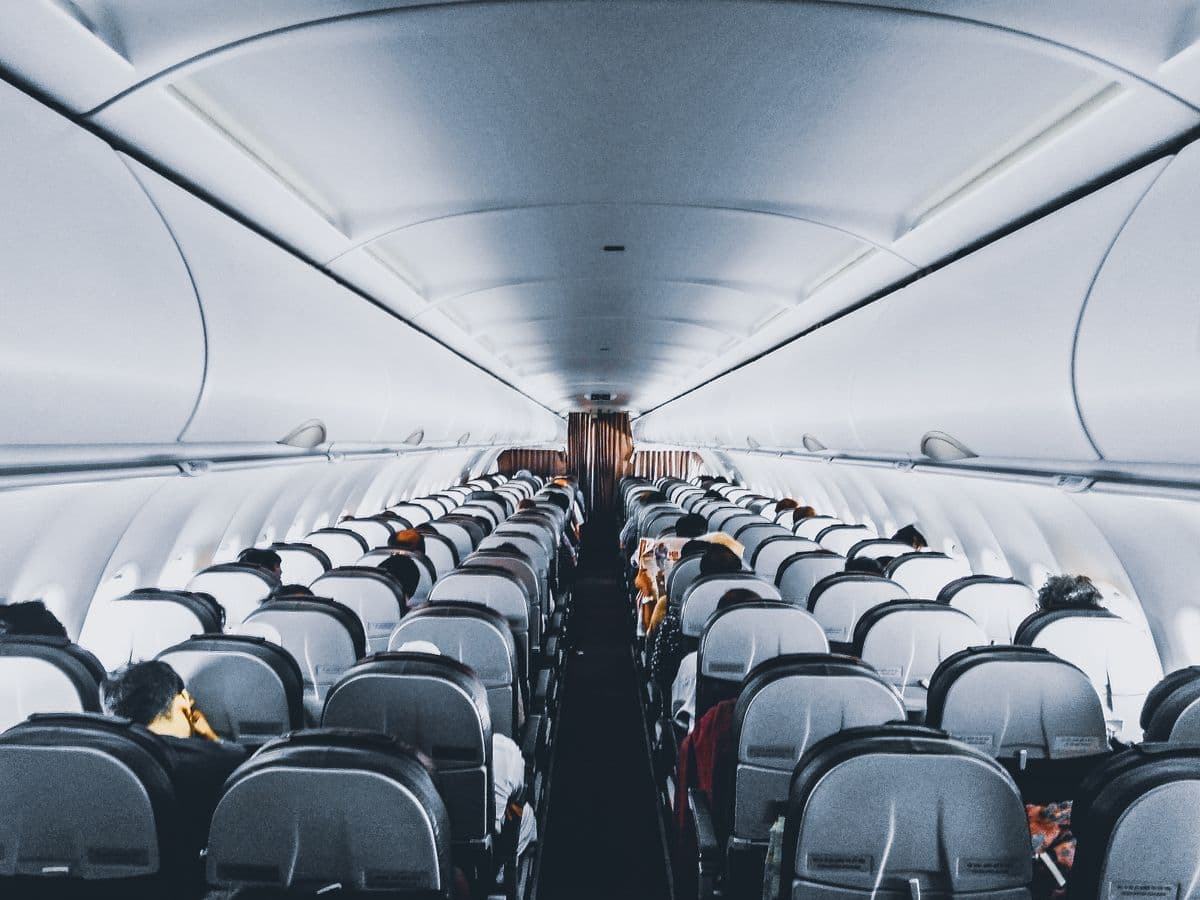
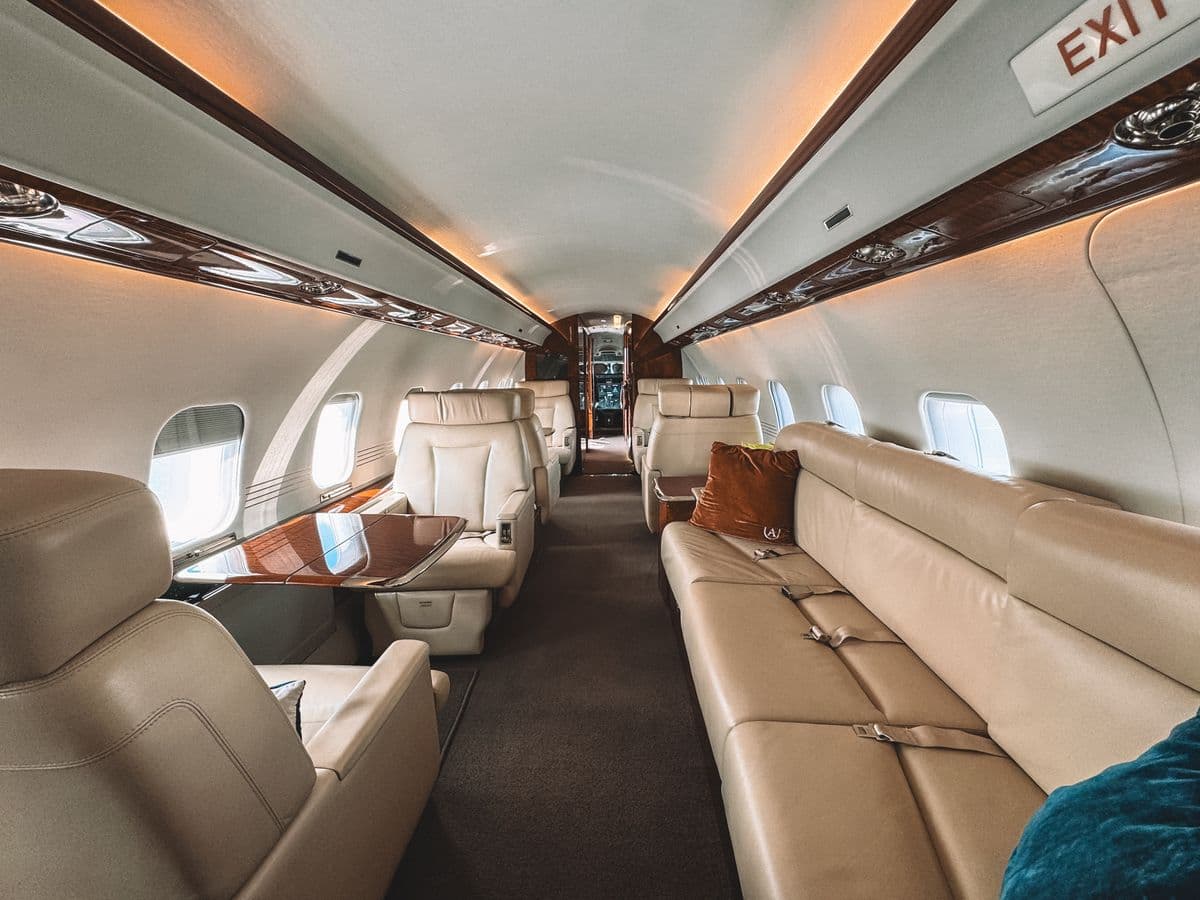
Cabin presentation. A charter operator running a King Air alongside a light twin will have two very different aircraft. The way each is presented — interior cleanliness, headset quality, passenger briefing consistency — tells clients something about operational culture. If the branding says "premium" but the left-seat headset has a cracked earpiece, the brand has already failed the client before they've left the ground.
How you communicate delays. NOTAM changes, weather holds, ATC requirements — delays happen. The operators who handle these well typically have a pre-defined communication approach: who calls the client, what they say, what alternatives they offer. Operators who handle it badly improvise every time. Clients can't see the difference in your maintenance records, but they absolutely notice the difference in how a weather delay is managed. That's brand.
Inquiry response time and language. The gap between inquiry submission and first response is where a significant number of charter bookings are lost. An operator who responds within 20 minutes with a clear, no-jargon message is already differentiated from the operator who responds 48 hours later with a quote in a format that requires the client to ask follow-up questions just to understand what they're buying.
What your Google Business Profile looks like. This is one of the most overlooked trust signals for aviation brands. A GBP with one photo from 2019, two reviews, and no response to the negative one from 2022 tells a potential client something your website marketing can't overcome. Charter clients at the premium end do check these. Aircraft owners researching management companies do check these.
The places aviation brands quietly fall apart
After working across flight schools, charter operators, and aircraft management companies, these are the patterns we see most often.
Inconsistent terminology. One page says "private hire," another says "air charter," another says "aircraft rental." To you, these distinctions make sense. To a client comparing three operators, inconsistency looks like disorganisation.
Photography that doesn't match the product. A flight school using stock imagery of a Boeing 737 cockpit when they operate Cessna 172s creates a subtle credibility gap. A charter operator using blurry iPhone photos of the aircraft interior when their competitors have professional cabin shots loses deals before the phone rings. Aviation buyers are detail-oriented — they notice.
The gap between sales language and operational reality. Some operators describe their fleet as "executive configuration" when the aircraft hasn't had an interior refresh since 2014. Some flight schools describe "structured training pathways" where the actual scheduling is ad hoc. These gaps are discovered by clients in the first hour of doing business, and they don't come back.
Social media that contradicts the premium positioning. A charter operator posting iPhone landscape shots with generic captions while charging $8,000 per leg is telling the market something about how seriously they take client experience. Clients at the premium end of aviation have reference points — they know what premium looks like.
What we've found actually moves the needle
None of this requires a complete rebrand. In most cases, the aircraft are good, the operation is sound, and the people are excellent. The brand just hasn't caught up with the quality of the product.
Here's where to start:
Photograph your actual operation. Get a professional photographer to spend a day at your base. Capture the aircraft properly lit, the cabin properly dressed, the instructor briefing the student, the handling crew preparing the aircraft. These photos will do more for your brand in six months than any logo change.
Write down how you handle the hard calls. What do you say when a client's flight is delayed two hours due to weather? Who calls them, at what point, and what's the message? Turn that into a standard. Then your brand is consistent because your team is consistent.
Audit your inquiry experience. Submit an inquiry through your own website as if you were a prospective client. Time the response. Read it as a client would. Ask: is this the experience that justifies the price?
Clean up your Google Business Profile. Add recent photos. Respond to every review, including the negative ones. Make sure your description reflects what you actually do and who you actually serve.
Get your website in front of someone outside the industry. Not a pilot, not a colleague. Someone who has no aviation context. Ask them what they think the business does, who it's for, and whether they'd trust it with a $10,000 purchase decision. Their answers are your brand audit.
Assessing whether your brand is working
If you're getting enquiries but they're consistently at the lower end of your pricing range, or you're generating leads that never convert to bookings, your brand may be attracting the wrong buyers or failing to justify the premium to the right ones.
If you're relying on word of mouth almost entirely — and most aviation businesses do — your brand isn't doing much independent work. That's fine until your referral network plateaus.
The question worth asking is: if someone found you on Google with no prior context, with no referral, would your brand convert them into a qualified inquiry?
If the honest answer is "probably not," that's where we'd start. Our aviation marketing audit looks specifically at that question — what a cold prospect sees, and whether it's doing enough to earn an inquiry.
If you're working through a rebrand or positioning project and want to see what we've built for operators in similar situations, take a look at how we approach charter marketing — the principles carry across whether you're running a Part 135 operation, a helicopter tourism product, or an aircraft management business with charter revenue.
If search visibility is part of the picture, our SEO for charter companies page covers the specific search strategy side — how to make sure the brand you're building is actually findable by the clients who'd value it.
Aviation marketing services overview →
See Also
- Conversion Rate Optimisation for Aviation Websites: Turn Visitors Into Leads
- Email Marketing for Aviation Businesses: Build Loyalty and Drive Bookings
- Elevating Your Aviation Marketing Strategy with SEO