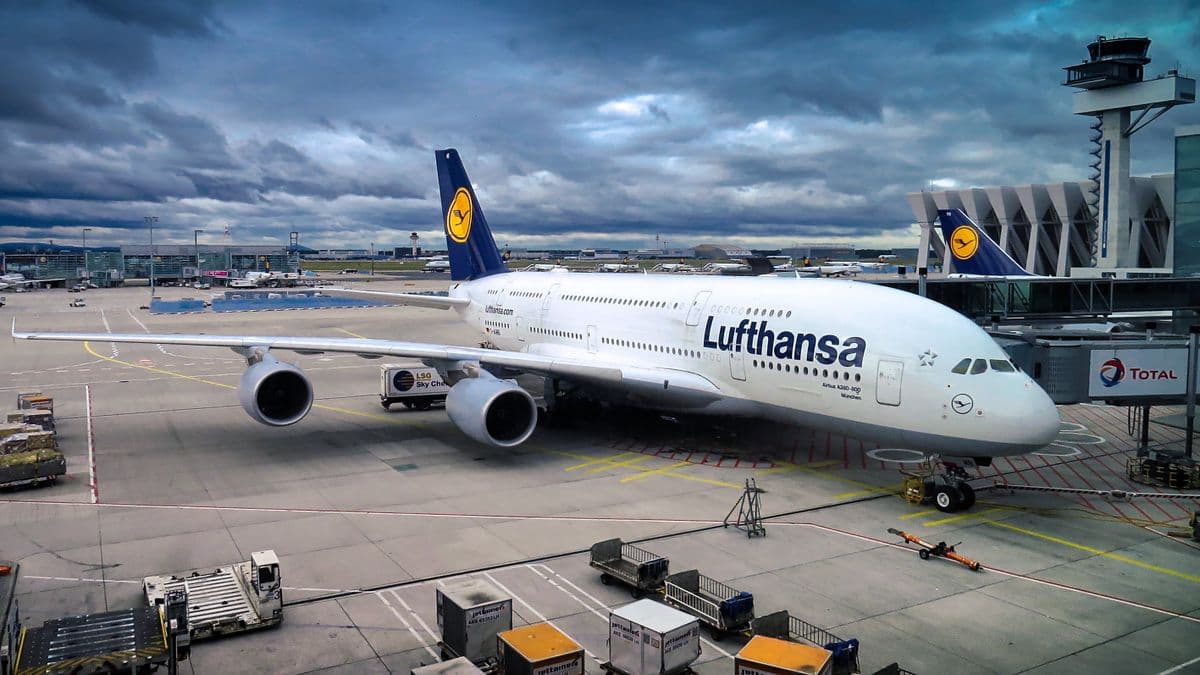
Operating a fixed-base operation (FBO) is a capital-intensive business governed by fuel flowage fees, ground handling equipment amortization, leasehold obligations, and line service payroll. While banner FBO chains rely on global fuel cards and brand momentum, independent and regional chain operators must actively earn every gallon of Jet-A and Avgas pumped onto their ramps.
Yet many FBOs treat marketing as an afterthought, relying solely on static aviation directory listings and traditional pilot counter hospitality. When transient flight departments select a ramp, they do not browse generic hospitality brochures. Flight dispatchers, corporate flight coordinators, and pilots evaluate FBOs based on operational capabilities: fuel pricing transparency, quick-turn capabilities, ramp safety certifications, and hangar accessibility.
Developing an in-house digital acquisition and visibility engine provides FBOs with direct access to dispatchers planning seasonal trips, charter operators seeking regular fuel stops, and aircraft owners searching for permanent hangarage.
1. The Operational Reality of FBO Customer Acquisition
FBO revenue centers on three distinct buyer segments, each with unique decision timelines:
- Transient Corporate Flight Departments: Chief pilots and flight coordinators routing Part 91 and Part 135 operations through your airport. Their primary decision factors are contract fuel discounts (CAA, Avfuel, World Fuel), quick-turn line responsiveness, heated hangar space during winter, and crew car availability.
- Long-Term Based Tenants: Turbine aircraft owners, corporate flight departments, and management companies seeking private hangars, office space, and fuel discounts. These clients generate high recurring margin through monthly lease revenue and steady fuel flowage.
- Local General Aviation and Flight Training Operators: Flight schools and private aircraft owners who prioritize self-serve fuel availability, avionics shop proximity, and reliable ramp handling.
Capturing these customers requires an authoritative digital footprint structured around ICAO identifiers, operational amenities, and verified ground handling credentials. Our core frameworks in /services/seo and /fbo-marketing structure airport visibility around these exact procurement criteria.
2. Airport Search Engine Optimization: Owning the ICAO Identifier
When a flight coordinator plans an itinerary, search behavior centers on specific airport codes and operational modifiers:
- "KTEB FBO handling fees"
- "Scottsdale airport private hangar rental"
- "KAPA Jet-A fuel price today"
- "Van Nuys transient aircraft parking"
If your website only ranks for your company name rather than your aerodrome identifier and core services, you forfeit inbound traffic to competitors on the field or nearby reliever airports.
Core Architecture for FBO Airport SEO
- Dedicated Airport Hub Pages: Build comprehensive landing pages optimized for your ICAO and IATA codes (e.g., KSDL / SDL), detailing runway lengths, instrument approaches (ILS, RNAV), and operating hours.
- Transparent Fee Schedules: Detail ramp fees, facility charges, overnight tie-down rates, and fee-waiver minimum fuel uplift volumes. Dispatchers avoid operators with hidden fees.
- Verified Ground Logistics: Document ground power units (GPU), lavatory service, potable water, aircraft de-icing (Type I & IV), and oxygen service.
Connecting these pages with high-intent digital search campaigns through /services/ppc ensures complete search capture during major sporting events, conventions, and peak seasonal holiday corridors.
3. High-Converting FBO Web Design: Built for Dispatchers on Mobile
Corporate flight coordinators and pilots rarely research FBOs from a desktop computer. They verify fuel stops and ground handling on mobile devices from cockpits, hotel lounges, and flight planning rooms.
If your website relies on heavy PDF downloads or slow-loading photo galleries, flight crews bounce to the competing ramp on the field. Technical web standards built to our performance benchmarks in /services/website-design prioritize rapid rendering and immediate utility:
- Click-to-Call Operations Desk: Direct telephone links to the line-service dispatch desk and Unicom frequency displayed prominently above the fold.
- Direct Fuel Pricing Feeds: Accurate, updated retail and contract fuel pricing posted clearly on page.
- Hangar Availability Status: Real-time or updated square footage availability for transient overnight parking and long-term lease terms.
- Crew Amenities Overview: Clear specifications on pilot lounges, snooze rooms, private conference facilities, crew cars, and on-ramp passenger pick-up protocols.
4. Trust Signals: Safety Accreditations and Ground Handling Rigor
Corporate aviation operates under strict risk management parameters. Fortune 500 flight departments and premier Part 135 operators must verify ground handling standards before dispatching airframes to an unfamiliar ramp.
Prominently surface objective credentials across your digital properties:
- IS-BAH Stage Registration: Display your International Standard for Business Aircraft Handling (IS-BAH) certification level, signaling audited safety protocols.
- NATA Safety 1st Certified Line Technicians: Highlight recurring line service training and anti-misfueling compliance.
- Fuel Quality Assurance Protocols: Detail fuel filtration standards, millipore testing schedules, and fuel farm inspection rigor.
For facilities that host flight training academies or cross-utilize ramp assets, linking directly with /flight-school-marketing demonstrates a cohesive training and ground support ecosystem.
5. Structuring the FBO Lead Pipeline and Reservation Cadence
Attracting digital interest must connect directly to line-service execution. Transform incoming digital visits into confirmed ramp reservations through structured handling:
| Pipeline Phase | Digital Asset / Workflow | Operational Benchmark | +| :--- | :--- | :--- | +| Pre-Flight Planning | Mobile-first ICAO airport landing page | <1.5s Load Time | +| Handling Reservation | 4-field Ramp Reservation Form (Tail, ETA, Fuel, Services) | >12% Form Completion | +| Reservation Confirmation | Automated CSR and Dispatch Notification | <10 min Response Time | +| Turnaround Execution | Marshalling, quick-turn fuel, and passenger transport | 100% SLA Adherence |
Operators that systematically deploy this operational architecture protect fuel margins, fill hangar vacancies, and build durable direct relationships with corporate flight departments.
Request an FBO Digital Growth Audit
If your fixed-base operation seeks to increase Jet-A fuel volume, expand based tenant occupancy, and outposition competing ramps on your airfield, Off The Ground Marketing engineers digital acquisition and search engines designed specifically for aviation operators.
Contact our team to evaluate your airport search footprint and fuel sales pipeline:
- Primary Next Step: Request an FBO Digital Growth Audit
- Explore Capabilities: FBO Marketing | Aviation SEO | Aviation Website Design | Aviation PPC